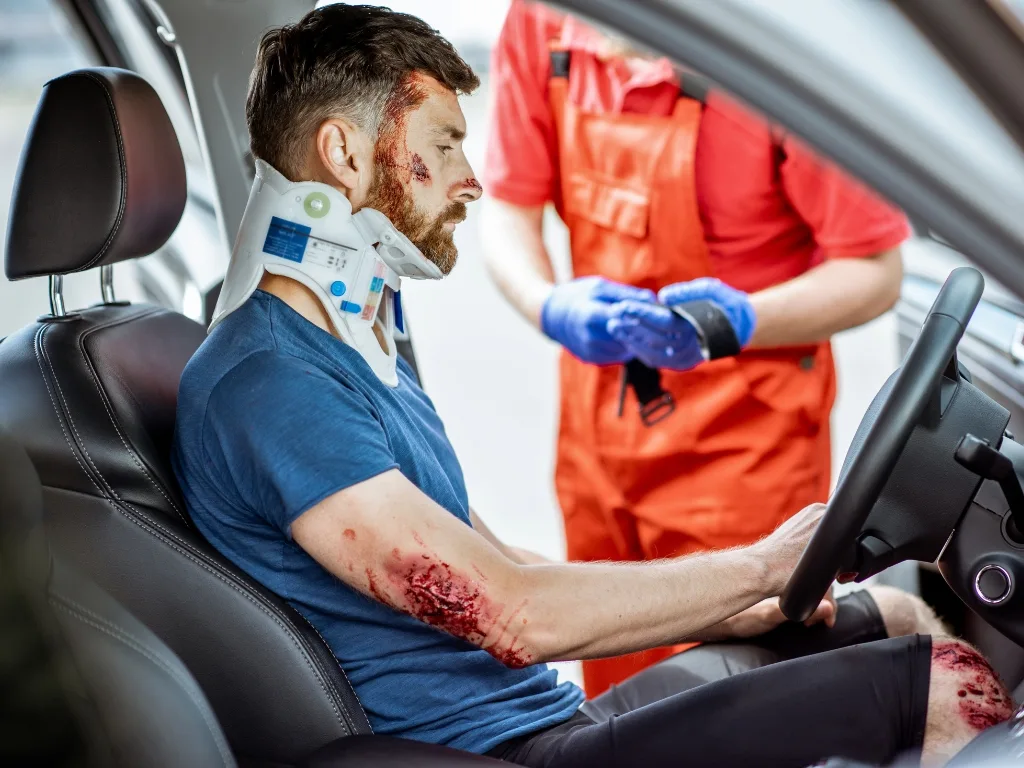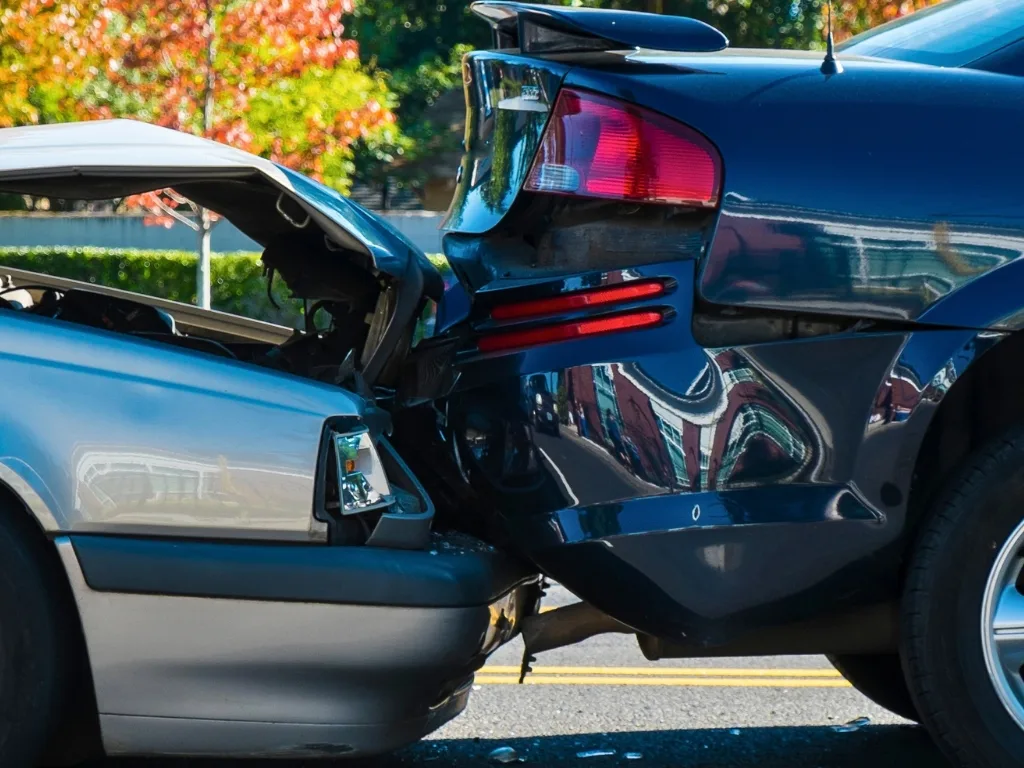
A rollover crash is one of the most violent events a vehicle occupant can survive. The vehicle tumbles, the roof can crush inward, and unrestrained occupants face a real risk of being partially or completely ejected. Fresno’s rural highways, with their higher speeds and limited barriers, see rollover crashes with troubling frequency, and the injuries that result are often catastrophic.
The Law Office of Sam Salhab represents injury victims across Fresno and Orange County, and rollover cases frequently involve more than one question of fault. Sometimes a driver caused the crash. Sometimes the vehicle itself, its roof, its tires, its stability systems, made a survivable rollover into a catastrophic one.
Why Rollover Crashes Are So Deadly
Federal crash data confirms what Fresno drivers see on rural highways every year. According to the National Highway Traffic Safety Administration’s 2023 passenger vehicle data, 82 percent of passenger vehicle occupants who were totally ejected from a vehicle in a fatal crash died, and rollover crashes accounted for the highest share of fatalities among pickup occupants at 38 percent and SUV occupants at 33 percent.
Restraint Use Makes a Measurable Difference
The same NHTSA data found that 49 percent of passenger vehicle occupants killed in 2023 traffic crashes were unrestrained at the time of the crash, underscoring how both restraint use and vehicle design shape whether a rollover results in survivable injuries or a fatality.
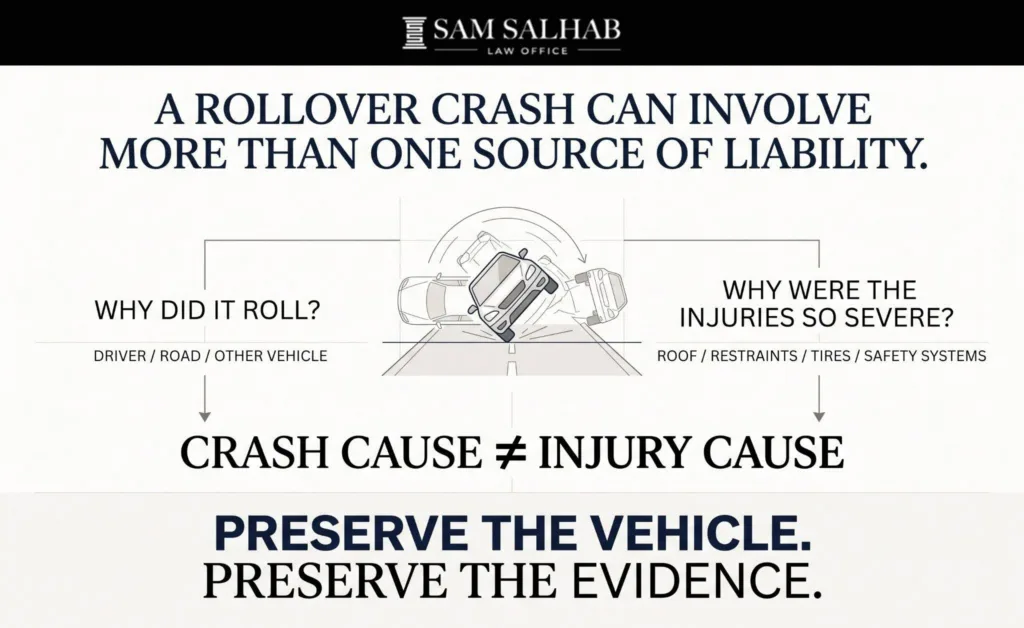
Crash Cause vs. Injury Cause
A rollover investigation should answer two separate questions: what caused the vehicle to roll, and what caused the occupant’s injuries to become catastrophic. Those questions can point to different sources of responsibility. NHTSA’s rollover-safety research separates the problem into distinct stages: preventing the rollover itself, keeping occupants contained inside the vehicle, and protecting occupants during the rollover sequence.
Mapping the Crash Sequence to What Investigators Need to Prove
| Crash event | What investigators need to determine |
| Vehicle leaves the roadway | What caused the loss of control, another driver, speed, tire failure, or roadway condition? |
| Vehicle begins to roll | Did vehicle dynamics, a collision, terrain, or another factor initiate the rollover? |
| Roof collapses | Did roof deformation intrude into the occupant compartment? |
| Occupant is ejected | Did the seatbelt, door, glazing, or restraint system fail to keep the occupant contained? |
| Occupant suffers brain or spinal injury | Which specific event in the sequence produced or worsened the injury? |
Why This Distinction Matters in a Defect Claim
A manufacturer doesn’t need to have caused the rollover itself for vehicle performance to become legally relevant. Another driver’s unsafe maneuver might initiate the rollover, while inadequate roof strength or restraint performance independently worsens the harm. NHTSA’s ejection mitigation and roof crush research treats occupant containment and occupant protection as distinct safety objectives, which is why investigators should examine the entire crash sequence rather than stopping at the initial cause.
Driver Negligence and Vehicle Defects: Two Paths to Liability
Some rollovers result from another driver’s negligence, excessive speed, an unsafe lane change, or a side-impact that causes a vehicle to trip and roll. Others result from a single-vehicle loss of control where the vehicle itself failed to perform as it should have, and many serious cases involve both theories at once.
The Federal Roof Crush Standard
Roof strength is one of the most significant recurring issues in rollover litigation, since a roof that crushes into the occupant compartment can turn a survivable crash into a catastrophic one. NHTSA’s upgraded standard, FMVSS No. 216a, requires a vehicle’s roof to withstand a force equal to three times the vehicle’s unloaded weight for vehicles rated at 6,000 pounds or less, tested on both sides, with full compliance required since the 2016 model year. Older vehicles, and vehicles that fail even this standard, may present a stronger design defect claim.
Tire Failures and Electronic Stability Control
Tire tread separation and sudden blowouts remain a common trigger for rollovers at highway speed on Fresno’s rural roads. Electronic stability control is designed to detect and help correct a loss of control before it escalates into a rollover, and a defect or failure in that system can be central to a vehicle defect claim.
California Product Liability Law: Strict Liability
California recognizes strict products liability, a doctrine established by the California Supreme Court in Greenman v. Yuba Power Products that allows an injured person to hold a manufacturer liable for a defective product without proving negligence. This shifts the focus from what the manufacturer did wrong to whether the product itself was unreasonably dangerous.
What Counts as a Defect
A rollover-related claim can involve a design defect, such as a roof that crushes beyond current standards, a manufacturing defect like a tire built with a tread flaw, or a failure to warn about a known rollover risk. Each theory requires different evidence, which is why the vehicle needs to be preserved and inspected before it is repaired, sold, or scrapped.
The Seatbelt Defense and Comparative Negligence
Insurers and defense attorneys in rollover cases frequently argue that an occupant’s failure to wear a seatbelt contributed to their injuries. Under California’s pure comparative negligence rule, this is an affirmative defense the defendant must prove, requiring evidence that a seatbelt was available, that a reasonable person would have used it, and that wearing it would have prevented or reduced the specific injuries.
Why This Defense Doesn’t End a Claim
Even where a seatbelt defense succeeds in part, it typically reduces rather than eliminates compensation, since California’s pure comparative negligence system allows recovery even when an occupant bears significant fault.
Preserving the Evidence a Defect Claim Depends On
Rollover cases depend heavily on physical evidence that can be lost quickly. The vehicle itself, including the roof structure, seatbelts, tires, and stability control modules, often holds the evidence a defect claim depends on, but insurers routinely move to salvage or dispose of a wrecked vehicle within days of a crash. Sending a formal preservation request immediately, before repairs, salvage, or disposal, is often the single most important early step in a potential defect case.
What Compensation May Be Available
Rollover crash injuries range widely, from minor strains in a low-speed rollover to catastrophic spinal cord and brain injuries in a high-speed crash. While every case depends on its specific facts, general settlement ranges for California personal injury claims often fall into the following categories:
| Injury Severity | Typical Settlement Range |
| Minor | $3,000 – $15,000 |
| Moderate | $15,000 – $75,000 |
| Severe | $75,000 – $500,000+ |
| Catastrophic | $500,000 – millions |
Why Rollover and Defect Claims Often Reach Higher Values
Cases involving a documented vehicle defect, particularly roof crush or ejection injuries, frequently involve catastrophic harm and can bring in a manufacturer’s insurance coverage in addition to a driver’s policy, often driving these claims toward the higher end of the range.
Acting Before Evidence and Time Run Out
California generally requires injury victims to file within two years of the crash date under Code of Civil Procedure § 335.1, and the same period generally applies to a claim against a vehicle manufacturer. Because a full defect investigation requires inspecting the vehicle itself, waiting even a few weeks risks losing access to evidence that a product liability case depends on entirely. An attorney who moves quickly can send a preservation letter, arrange an independent inspection, and begin building the record needed to prove a defect claim.
Why Choose the Law Office of Sam Salhab
Rollover cases require an investigation that goes beyond a police report, examining the vehicle’s design, its compliance with federal safety standards, and the full extent of a client’s injuries. Our personal injury team approaches these cases with that full scope in mind, rather than accepting the first explanation an insurance adjuster offers. The firm’s Fresno personal injury office offers free consultations, and every client is treated as a person navigating a life-changing event, not a file to be processed quickly.
Moving Forward After a Rollover Crash
A rollover crash often leaves victims with catastrophic injuries and unanswered questions about why the vehicle behaved the way it did. Understanding whether another driver’s negligence, a vehicle defect, or both contributed to the crash, and moving quickly to preserve the evidence that can prove it, often makes the difference in the outcome of a claim. Anyone injured in a rollover crash near Fresno is welcome to reach out for a conversation about what happened and what options may be available.
What makes rollover crashes so much more dangerous than other collisions?
Rollover crashes carry a high risk of occupant ejection and roof crush, and federal data shows 82 percent of passenger vehicle occupants who were totally ejected in a fatal crash in 2023 died. Rollovers also account for the largest share of fatalities among pickup and SUV occupants compared to other crash types.
How do I know if a vehicle defect contributed to my rollover crash?
Common defects include inadequate roof strength that fails to meet current federal standards, tire tread separation, and failures in electronic stability control systems. An independent inspection of the vehicle, ideally before it is repaired or salvaged, is often necessary to identify whether a defect played a role.
If another driver caused my rollover, can the vehicle’s manufacturer still be responsible?
Yes, potentially. A manufacturer doesn’t need to have caused the rollover itself to be responsible for how severe the resulting injuries were, since a design or component defect can independently increase injury severity even when another driver triggered the crash sequence.
Can I sue a vehicle manufacturer even if the crash wasn’t caused by another driver?
Yes. California recognizes strict products liability, which allows an injured person to hold a manufacturer liable for a defective product without proving negligence, provided the defect made the vehicle unreasonably dangerous.
Will I lose my case if I wasn’t wearing a seatbelt during the rollover?
Not necessarily. California’s seatbelt defense can reduce compensation under the state’s pure comparative negligence system, but the defendant must prove a seatbelt was available, that a reasonable person would have worn it, and that doing so would have prevented or reduced the specific injuries claimed.
Why is it so important to preserve the vehicle after a rollover crash?
The vehicle’s roof structure, seatbelts, tires, and electronic systems often contain the physical evidence a defect claim depends on, and insurers frequently move to salvage or dispose of a wrecked vehicle within days. Sending a preservation request immediately after the crash can prevent that evidence from being lost.
How long do I have to file a rollover or vehicle defect claim in California?
Most personal injury and product liability claims must be filed within two years of the crash date under Code of Civil Procedure § 335.1. Because a defect investigation depends on inspecting the vehicle, waiting even a short time can jeopardize the evidence needed to support the claim.