
California Juvenile Defense Attorney
Protect Your Child's Future. Keep the Case in Juvenile Court.

40+ Jury Trials · Former Public Defender · Practicing Since 2010 · State & Federal Court Licensed
Home | California Juvenile Defense Attorney
Introduction
A charge filed against your child is not a criminal conviction. California’s juvenile justice system prioritizes rehabilitation over punishment and, in many cases, provides opportunities for dismissed petitions and sealed records. However, those protections often depend on strict deadlines and legal procedures that can be permanently lost without immediate legal representation.
The Law Office of Sam Salhab represents minors and their families in juvenile delinquency proceedings throughout California. If your child has been arrested, accused, or contacted by law enforcement, early intervention by a California juvenile defense attorney can make a significant difference in how the case is handled.
When Your Child Needs a Juvenile Defense Attorney
Early legal representation matters most when:
- Your child was arrested or detained by law enforcement
- A petition has been filed or may soon be filed in juvenile court
- The prosecution is seeking transfer to adult court
- Your child faces a serious or violent felony allegation
- Probation has recommended detention or out-of-home placement
- Your child has a prior juvenile case and faces a second petition
- You want to pursue diversion before formal charges are filed
- You need to seal a prior juvenile record
If any of these circumstances apply, the time to act may be shorter than most families realize. A juvenile crimes attorney can evaluate the case quickly and determine what legal protections may still be available. For families navigating more complex charges or overlapping legal issues, guidance from a broader California criminal defense attorney can help ensure no critical defense strategy is missed.

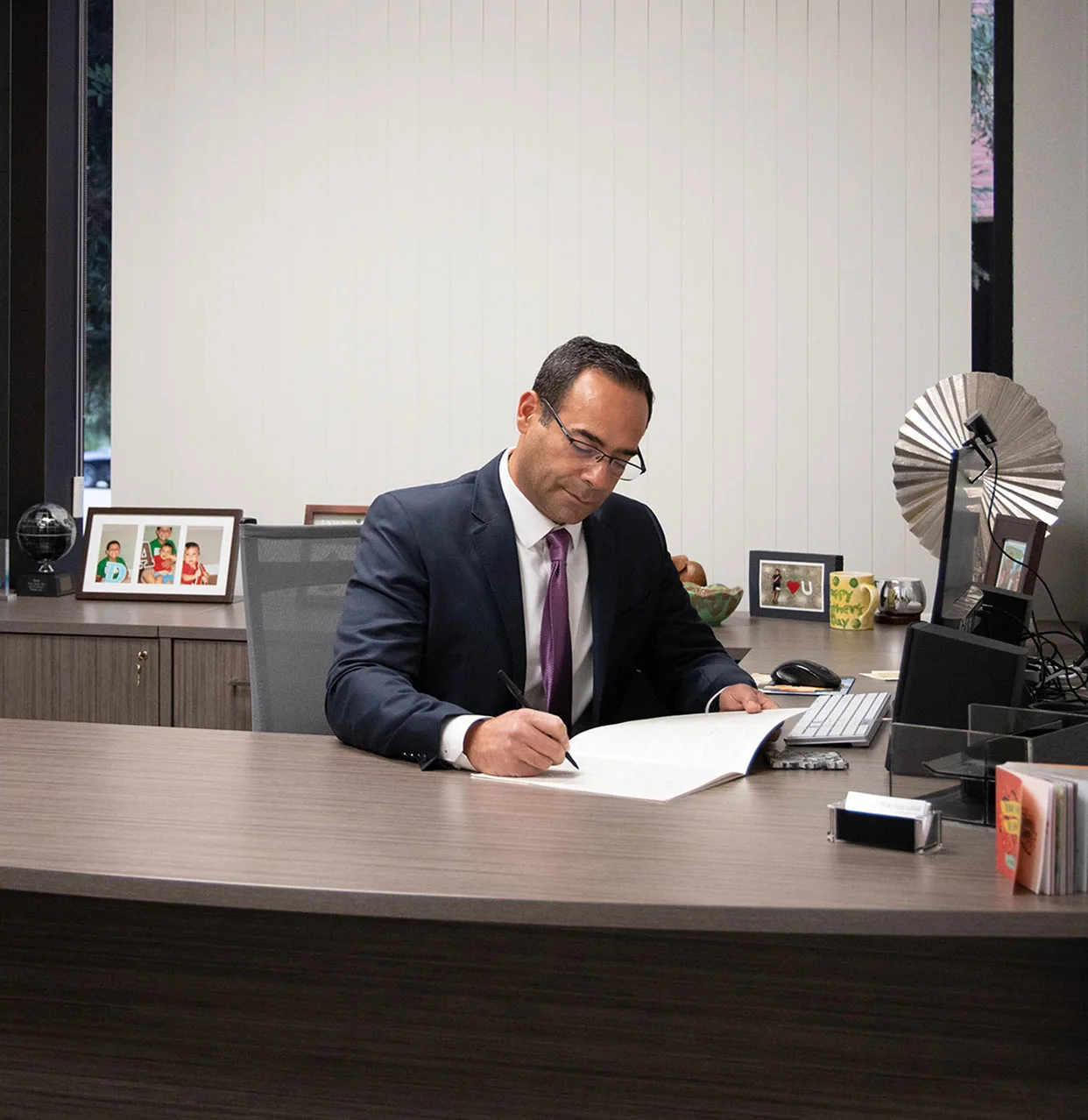
California Juvenile Defense Attorney
Sam Salhab began his legal career as a public defender, where he developed firsthand knowledge of how prosecutors and probation departments evaluate juvenile cases. That courtroom experience now helps families facing difficult juvenile allegations across California.
Unlike firms that assign cases to staff or case managers, clients work directly with an experienced defense attorney who understands the California juvenile court system and how to build effective defense strategies for minors.
The Attorney Behind Your Case
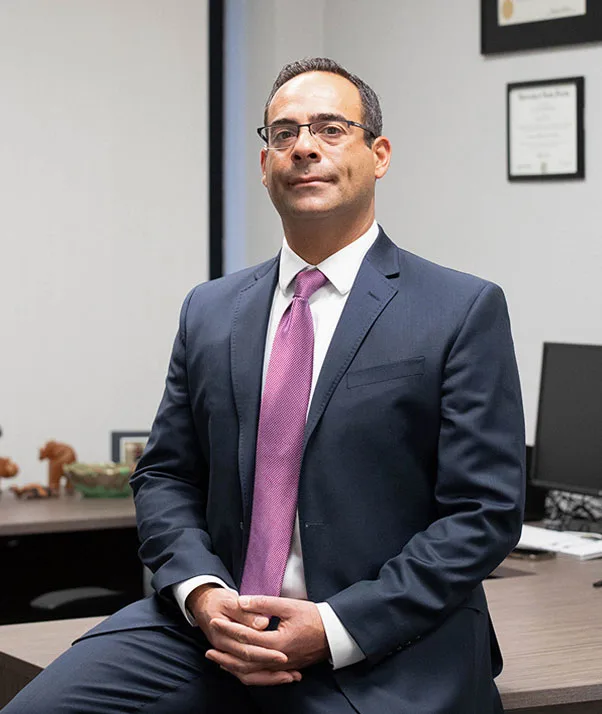
Sam Salhab has conducted more than 40 jury trials and has defended clients throughout California since 2010. He earned his J.D. from Thomas Jefferson School of Law, where he received the Charles T. Bumer Civil Libertarian Award.
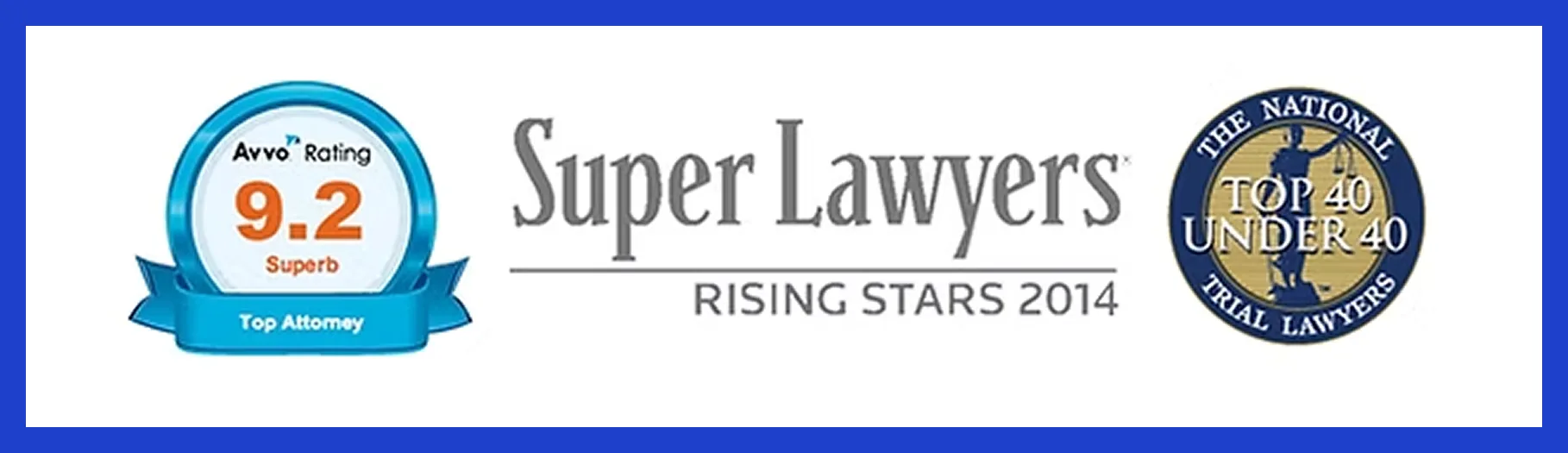
His professional recognitions include:
- Super Lawyers Rising Star
- Newsweek Legal Superstar
- National Trial Lawyers Top 40 Under 40
He is licensed in:
- State Bar of California
- United States District Court, Eastern District of California
When families contact the office, they speak directly with an attorney—not a call center.
How California's Juvenile Justice System Works
Jurisdiction — Welfare and Institutions Code § 602
California juvenile courts generally have jurisdiction over minors between ages 12 and 17 under Welfare and Institutions Code § 602. A juvenile adjudication is not the same as an adult criminal conviction and often does not result in a permanent criminal record.
A juvenile case may involve:
- Detention hearings
- Adjudication hearings
- Disposition hearings
- Probation review hearings
Each stage involves different legal rights and deadlines.
Diversion and Informal Probation — WIC §§ 654 and 725
California law provides alternatives to formal punishment in some juvenile cases.
Under WIC § 654, a minor may qualify for diversion before a petition is filed. If completed successfully, no formal case proceeds.
Under WIC § 725, informal probation may allow the court to suspend formal proceedings while the minor completes counseling, community service, or school requirements.
Neither option is automatic. A juvenile defense lawyer can help present the strongest case for these alternatives.
Transfer to Adult Court — WIC § 707
In certain serious felony cases, prosecutors may ask the court to transfer a minor into adult criminal court under WIC § 707.
The court considers:
- The child’s maturity
- Prior juvenile history
- Rehabilitation potential
- Seriousness of the offense
If transfer is granted, the child may face adult penalties and a permanent criminal record. Preventing transfer can be one of the most important parts of a juvenile defense case.
Record Sealing — WIC §§ 781 and 786
California law allows many juvenile records to be sealed.
Under WIC § 787, successful completion of probation or diversion can lead to automatic dismissal and sealing of the case.
Under WIC § 781 older juvenile records may be sealed through a separate petition.
Once sealed, the case is generally treated as though it never occurred, helping protect your child’s education and future employment opportunities.
Juvenile court records also remain confidential under WIC § 827.
Why Early Intervention Matters
The earliest decisions in a juvenile case can affect everything that follows.
Prompt legal representation can help:
- Prevent unnecessary detention
- Seek diversion before filing
- Challenge weak evidence
- Oppose adult court transfer
- Protect school and future opportunities
Families often wait too long before contacting an attorney, not realizing that critical opportunities can disappear quickly.
Your Child's Future Is Recoverable. Act Now.
The protections in California’s juvenile system can be powerful—but they are not automatic. They are often available only to families who act before deadlines pass.
If your child is facing a juvenile case anywhere in California, contact the Law Office of Sam Salhab for a confidential consultation.
frequently Asked Questions
1. Q: Is a juvenile adjudication the same as a criminal conviction in California?
No. Under WIC § 602, a juvenile finding is an adjudication, not an adult criminal conviction.
2. Q: At what age can a minor be tried as an adult in California?
In some serious felony cases, minors age 16 or older may face transfer to adult court under WIC § 707.
3. Q: Can my child's juvenile record be sealed?
Yes. Many juvenile records can be sealed after probation or through a later court petition.
4. Q: What is the difference between diversion and informal probation?
Diversion occurs before a petition is filed, while informal probation occurs after a petition but before formal adjudication.
5. Q: What rights does my child have in juvenile court?
Minors have the right to an attorney, the right to remain silent, and the right to challenge the evidence.
6. Q: Do you handle juvenile cases across California?
Yes. The Law Office of Sam Salhab represents juvenile clients throughout California.
Free Case Evaluation
At The Law Office of Sam Salhab, our criminal defense attorneys represent criminal and DUI clients throughout the state of California. Our offices were originally founded in 2010, and Sam Salhab has successfully represented thousands of individuals since then. Contact us today if you or your loved one is in need of experienced criminal defense representation.
OUR LOCATIONS
FRESNO PERSONAL INJURY
2445 Capitol St Ste 140, Fresno, CA 93721
Email: info@salhablaw.com
Tel: (559) 412-9888