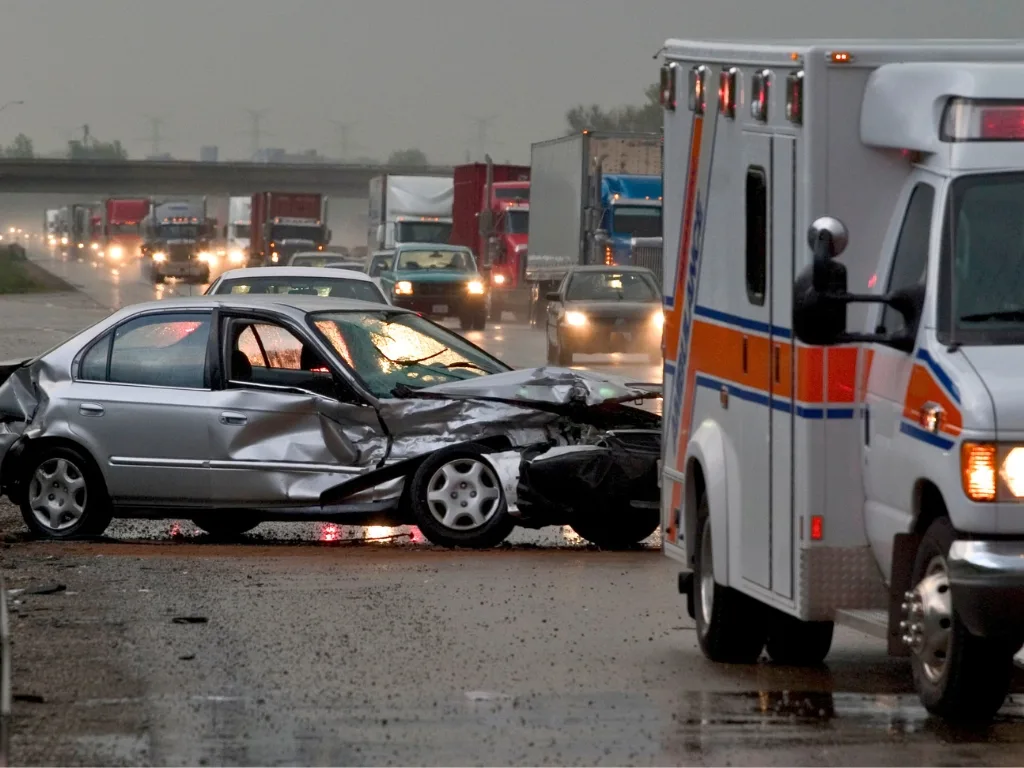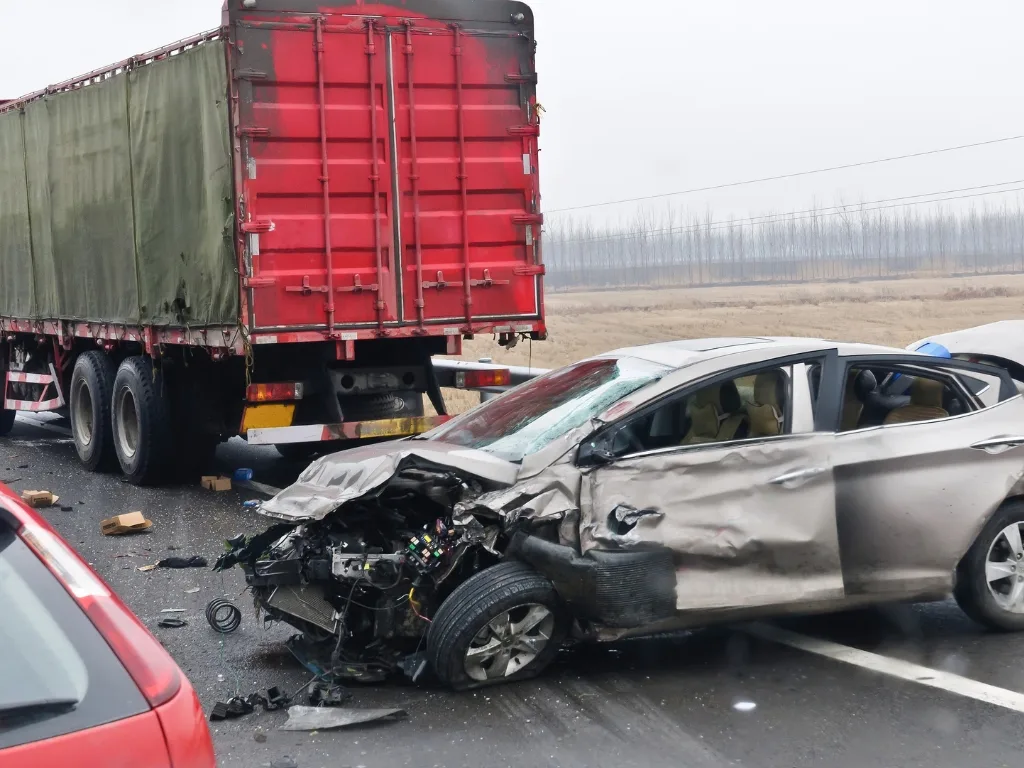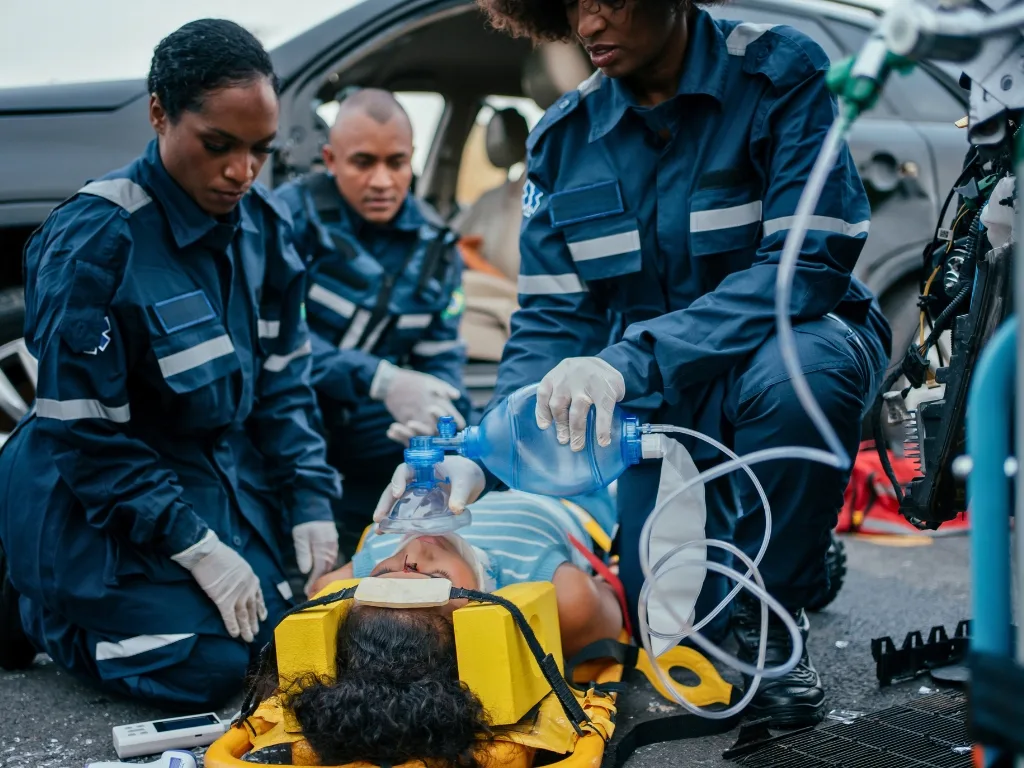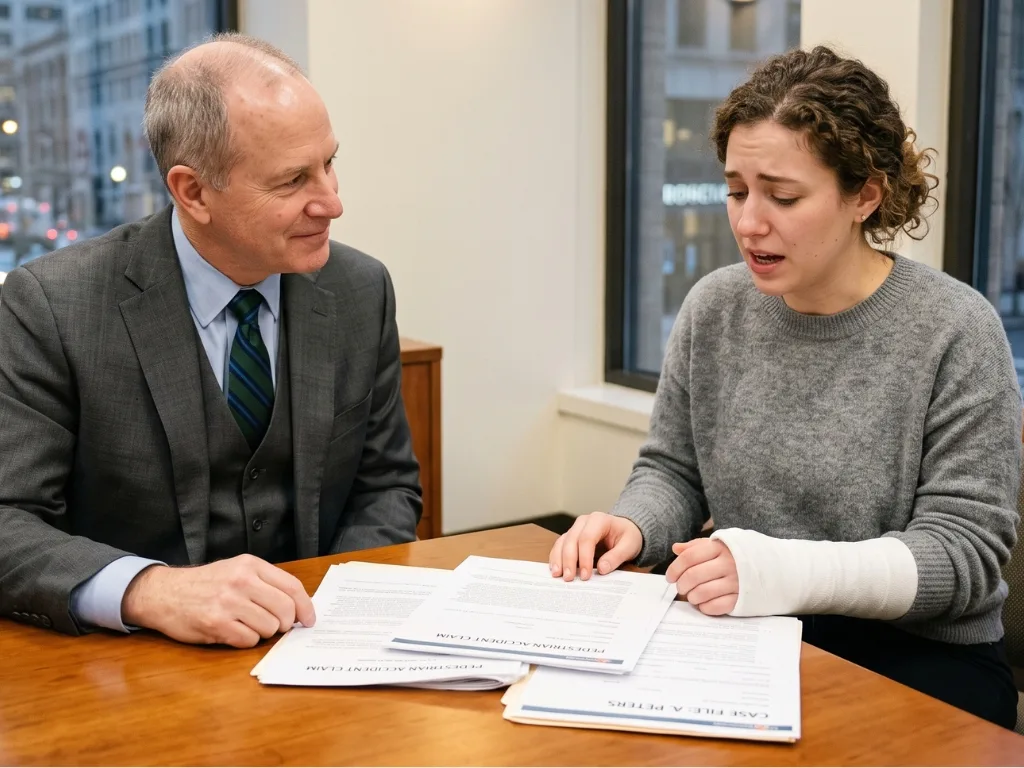
Being struck by a vehicle while walking is one of the most physically devastating things that can happen to a person. Pedestrians have none of the protections that surround vehicle occupants, such as airbags, crumple zones, and restraints, and the injuries that result are often life-altering. If this happened to you or someone in your family, you do not need to figure out the legal and insurance process alone. California law is clearly on your side, and understanding what it provides is the first step toward knowing what to do next.
The Law Office of Sam Salhab has represented pedestrian accident victims in Fresno for over fifteen years. A free, confidential consultation is available to discuss what happened and what your options are.
The Scale of the Problem in California and Fresno
Pedestrian crashes are not rare events. According to the California Office of Traffic Safety, 1,106 pedestrians were killed in California in 2023, accounting for more than one-quarter of all traffic deaths in the state. According to NHTSA’s 2023 pedestrian data, 84% of pedestrian fatalities occurred in urban areas, 74% occurred at non-intersection locations, and the majority happened after dark. In California specifically, 50.2% of fatal pedestrian crashes occurred between 6pm and midnight.
Fresno’s combination of wide multi-lane arterials, limited protected crossing infrastructure in many corridors, and high-speed approaches along major roads creates elevated pedestrian risk relative to more pedestrian-friendly urban environments. Fresno’s wide crossings and high vehicle speeds are among the factors OTS has identified as keeping vulnerable road users at elevated risk in the Central Valley.
California Pedestrian Laws: What You Need to Know
Driver Duties at Crosswalks
Under California Vehicle Code § 21950, drivers must yield the right-of-way to pedestrians crossing in any marked crosswalk or unmarked crosswalk at an intersection. This duty applies even when there is no traffic signal present. A driver who fails to yield and strikes a pedestrian has violated this statute, and that violation is direct evidence of negligence in a civil case.
Pedestrian Rights and Responsibilities
California law also places responsibilities on pedestrians. A pedestrian may not suddenly step into the path of a vehicle close enough to make it impractical for the driver to yield. Pedestrians crossing mid-block outside a crosswalk have a duty to yield to vehicles.
These are not reasons to avoid pursuing a claim; instead, they are factors that affect how California’s comparative fault rules apply. A pedestrian who was partially at fault can still recover damages, reduced proportionally by their own fault percentage.
Common Pedestrian Crash Scenarios in Fresno
| Scenario | Common Liability Theory |
| Left-turn collision at intersection | Driver failed to yield to pedestrian in crosswalk |
| Right-turn collision | Driver looked left for vehicles, not right for pedestrians |
| Failure to yield at crosswalk | Clear statutory violation under § 21950 |
| Distracted driving | Driver’s attention was on phone, not roadway |
| Backing-up accident | Driver failed to check behind vehicle |
| Nighttime visibility crash | Driver failed to adjust speed and attention for dark conditions |
| School zone collision | Heightened duty of care applies near schools and crosswalks |
| Parking lot collision | Drivers owe duty of care in private lots as well |
What to Do Immediately After Being Hit
The steps you take in the hours following a pedestrian crash protect both your health and your legal options. If you have been through this already and some of these steps were not possible in the moment, that is completely understandable — shock and injury are real factors. An attorney can help document what was available.
- Call 911 and request medical assistance even if you feel you can walk
- Accept EMS evaluation at the scene — it creates a contemporaneous injury record
- Photograph the scene, vehicle, crosswalk or intersection, and your injuries
- Obtain the driver’s name, insurance information, and license plate number
- Get contact information from any witnesses before they leave
- Preserve the clothing and footwear you were wearing — do not wash them
- Report the crash to police and request the report number
- Follow up with full medical evaluation, even if nothing felt serious at first
Injuries That Require More Than an ER Visit
Pedestrian accidents frequently produce injuries that extend far beyond what an emergency room visit can fully address. Traumatic brain injury is common in pedestrian crashes even without visible head trauma, and symptoms may not fully present for days or weeks. Spinal cord injuries, pelvic fractures, and crush injuries from vehicle impact can require surgeries, extended rehabilitation, and permanent care planning. Road rash, though often undertreated, carries infection risk and may require skin grafting in serious cases.
The long-term picture matters in these cases. Physical therapy, occupational therapy, cognitive rehabilitation, prosthetics, home modifications, and future surgeries are all recoverable as part of a damages calculation. For injuries with permanent consequences, economic experts project the lifetime costs of care, and that projection becomes the foundation of the damages claim.
Why Roadway Design Matters in Pedestrian Claims
This is a topic most attorney pages never raise, but it can be relevant to both liability and prevention. The Federal Highway Administration and Caltrans have documented that raised crosswalks, refuge islands, improved lighting, traffic calming measures, and protected intersection designs significantly reduce pedestrian crashes. Where a government entity failed to implement known safety improvements on a high-injury corridor, a separate premises liability theory may arise alongside the claim against the driver.
Government entity claims carry a different timeline. A Government Claims Act notice must be filed within six months of the incident before any lawsuit can proceed, making this one of the most time-sensitive elements in any pedestrian accident case.
Insurance Issues After a Pedestrian Crash
The at-fault driver’s liability insurance is typically the primary source of recovery. When that driver has no insurance, your own uninsured motorist (UM) coverage applies. California pedestrian accident victims are entitled to pursue their own UM coverage even when they were on foot rather than in a vehicle when they were hit.
When the at-fault driver has insufficient coverage, underinsured motorist (UIM) coverage makes up the difference. Medical payments coverage, where available, can help cover emergency costs regardless of fault while the liability claim is being resolved.
What Compensation Is Available
Pedestrian accident victims can pursue the full range of California personal injury damages:
- Emergency and hospital treatment
- Surgery and specialist care
- Future medical treatment and rehabilitation
- Physical and occupational therapy
- Psychological counseling for trauma
- Lost wages during recovery
- Reduced future earning capacity for permanent injuries
- Pain and suffering
- Emotional distress
- Loss of enjoyment of life
- Permanent disfigurement or disability
You Deserve Support — Not Just a Settlement Number
A pedestrian accident does not just leave physical injuries. It changes the way people feel about walking to their car, crossing a street, or letting their children walk to school. That disruption to ordinary life is real, and California law recognizes it as compensable harm. Getting the legal process right is not just about maximizing a settlement figure — it is about making sure every dimension of what happened to you is properly documented and accounted for.
The Law Office of Sam Salhab offers free, confidential consultations with 24/7 availability. There is no fee unless you recover. Bring whatever documentation you have, and do not worry about what you do not have yet — that is exactly what the investigation process is for.
Frequently Asked Questions
Does California law protect pedestrians in unmarked crosswalks?
Yes. Vehicle Code § 21950 requires drivers to yield at both marked and unmarked crosswalks at intersections. An unmarked crosswalk exists at every intersection where a marked one has not been painted, and drivers owe the same yielding duty in both. A driver who strikes a pedestrian in an unmarked crosswalk has still violated the statute.
Can I recover compensation if I was partially at fault?
Yes. California’s pure comparative negligence rule allows recovery even when a pedestrian bears some responsibility. Your total damages are reduced by your assigned fault percentage rather than eliminated. A pedestrian who jaywalked and was struck by a speeding driver can still recover, with the damages adjusted to reflect their respective shares of fault.
What if the driver fled the scene?
A hit-and-run crash is covered by your own uninsured motorist (UM) coverage in most circumstances, provided you can demonstrate another vehicle was involved. Filing a police report immediately is essential — it creates the official record the UM claim depends on. An attorney can help document the crash and navigate the UM process against your own insurer.
What if I was hit in a parking lot?
Drivers owe a duty of reasonable care in private parking lots as well as on public roads. A driver who backed into a pedestrian in a Fresno parking lot without looking, or who failed to yield at a lot exit, can be held liable under the same negligence principles that apply on public streets.
Can I sue if poor road design contributed to the crash?
In some circumstances, yes. A government entity that failed to maintain adequate crosswalk markings, lighting, or traffic control at a known high-injury location may face separate liability. These claims require a Government Claims Act notice filed within six months of the incident before any lawsuit can proceed.
What evidence is most important after a pedestrian accident?
Security and traffic camera footage is often the most decisive evidence in pedestrian cases and is frequently overwritten within days. The police report, witness statements, photographs of the scene, and your medical records from the first evaluation are the core documentation. The condition of your clothing and footwear can corroborate the point and manner of impact and should be preserved exactly as they were at the scene.
How long do I have to file a pedestrian injury claim in California?
The standard personal injury statute of limitations is two years from the date of the crash under Code of Civil Procedure § 335.1. If a government entity is involved, a Government Claims Act notice must be filed within six months. Consulting an attorney promptly ensures the right deadline is identified and that evidence is preserved before it disappears.