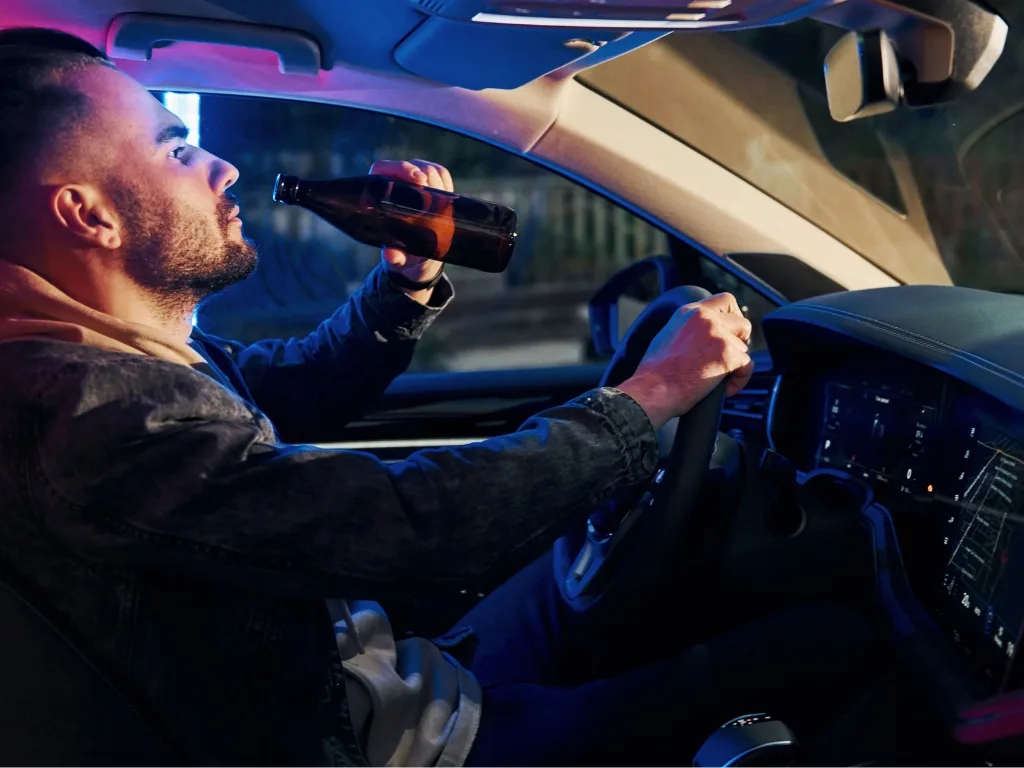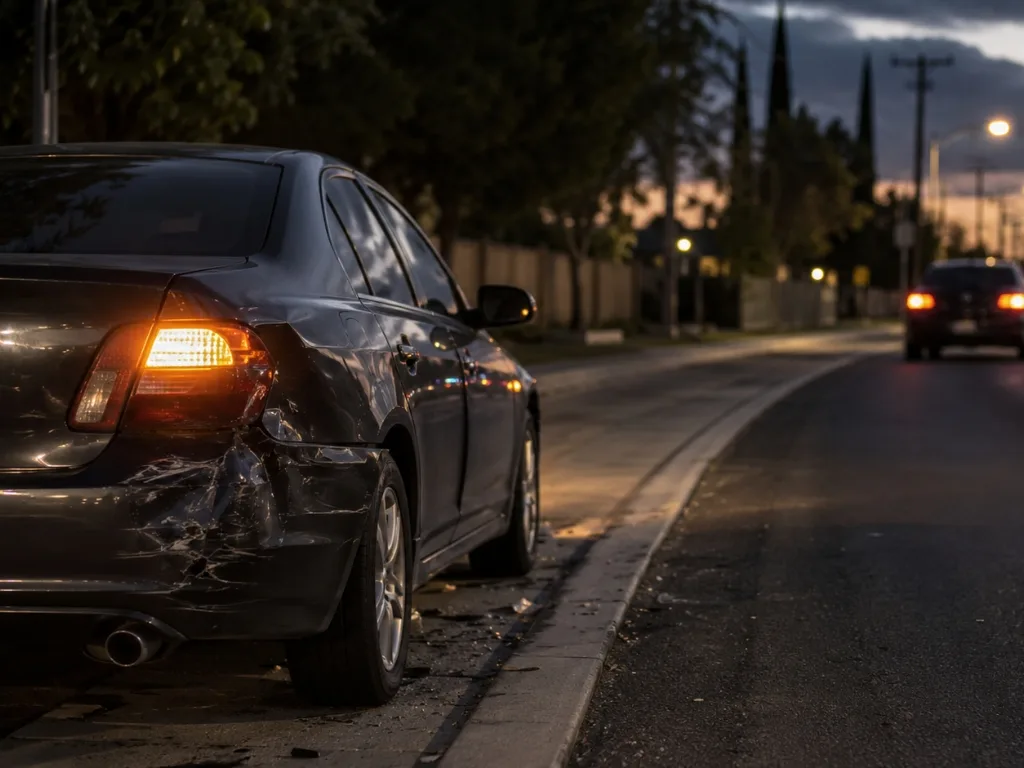
A hit and run charge often starts with a moment of panic rather than a plan to break the law, but California treats leaving the scene of a collision as a serious criminal offense regardless of intent. What began as a fender bender or a momentary lapse in judgment can carry felony exposure once the case reaches a courtroom.
The Law Office of Sam Salhab defends clients across the Fresno area against hit and run charges, built on the understanding that fear in the moments after a crash is not the same thing as criminal intent.
Hit and run cases frequently hinge on what the driver actually knew at the time of the collision and whether they had a genuine opportunity to stop and exchange information. Anyone facing this charge benefits from securing representation early, since the specific facts of those first few minutes after impact often determine the entire trajectory of the case.
What California Law Requires After a Collision
California law imposes specific duties on any driver involved in a collision, regardless of fault. Vehicle Code 20003 requires a driver to stop, provide their name, address, and vehicle registration to the other party, and render reasonable assistance to anyone injured. Vehicle Code 20004 adds a further duty to notify law enforcement without delay when a collision results in a death.
Failing to meet these duties is what actually constitutes the crime, not simply being involved in the collision itself. That distinction matters because a driver who stops, exchanges information, and later leaves without calling police has committed a different offense than one who never stops at all, and the specific sequence of events often shapes how a case gets charged.
Felony vs. Misdemeanor Hit and Run Charges
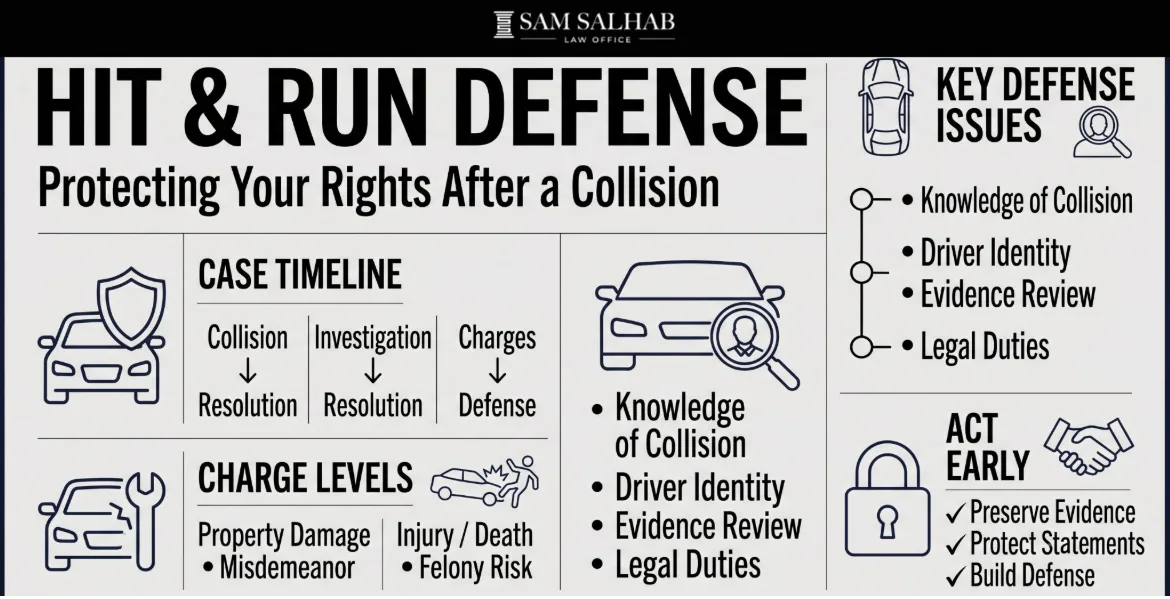
California splits hit and run charges into two statutes depending on the severity of the collision. Vehicle Code 20001 governs hit and run involving injury or death, and is chargeable as a felony, while Vehicle Code 20002 covers hit and run involving only property damage, which is typically a misdemeanor.
The distinction is not always obvious at the scene. A driver may believe a collision caused only minor property damage when in fact a pedestrian or cyclist sustained an injury that was not immediately apparent, which can turn what felt like a minor incident into a felony charge under Vehicle Code 20001. Prosecutors also frequently add a hit and run count alongside a separate DUI charge when there is evidence the driver fled to avoid detection of impairment.
What Happens After a Hit and Run Investigation Begins?
Many people assume a hit and run case begins when charges are filed, but the investigation often starts much earlier. After a collision is reported, law enforcement may spend days or weeks gathering evidence and identifying the vehicle involved before determining whether the facts support criminal charges, and understanding this process helps drivers recognize where the important decisions actually get made.
| Stage | What Happens | Defense Opportunity |
| Collision Report Filed | Police collect information from drivers, witnesses, and available sources such as photographs, vehicle damage reports, or surveillance footage; this initial report often becomes the foundation of the investigation | Preserve your own evidence, document your memory of events, and avoid making unnecessary statements before understanding your legal position |
| Vehicle Identification | Investigators may attempt to connect a vehicle or driver to the collision through license plate information, video footage, witness descriptions, or physical evidence from the vehicle | Examine whether the identification evidence is reliable and whether it actually proves who was driving or what occurred |
| Police Contact | Officers may request an interview, ask for an explanation, or seek additional information about the collision | Consult with an attorney before providing a detailed statement that could later be used in a criminal case |
| Charges Filed | Prosecutors evaluate whether the facts support a misdemeanor property-damage charge under Vehicle Code 20002 or a felony injury/death charge under Vehicle Code 20001 | Challenge whether the prosecution can prove the required legal elements, including the driver’s duties and knowledge of the collision |
| Court Proceedings | The case moves through arraignment, discovery, pretrial motions, and possible resolution through negotiation or trial | Build a defense strategy based on the evidence, witness credibility, and what the prosecution can actually prove |
California’s Courts Self-Help Guide confirms that criminal cases generally proceed through charging, arraignment, pretrial activities, and trial in that order, though not every case includes every step.
Because Vehicle Code 20001 and 20002 separate hit and run offenses based on the consequences of the collision rather than the driver’s state of mind alone, the earliest stage of the investigation, before a formal statement is given, is often the most important point to involve an attorney.
Common Defenses to Hit and Run Charges
A hit and run charge is frequently defensible on grounds that go beyond disputing whether a collision occurred. Several defenses recur often in these cases.
- Lack of knowledge — a driver who genuinely did not know a collision occurred, such as a minor contact in a crowded parking lot, may not have the required mental state for a conviction
- No injury or damage that triggered the duty — if the collision caused no injury and negligible property damage, the underlying duty to stop may not have applied
- Duty already satisfied — a driver who stopped, exchanged information, and rendered aid before leaving has arguably complied with the statute
- Mistaken identity — particularly relevant when a vehicle is identified from a description or partial license plate rather than direct observation
- Duress or safety concerns — leaving the scene briefly to seek help or escape an unsafe situation can sometimes support a defense depending on the circumstances
Which of these defenses applies depends heavily on witness accounts, any available surveillance or dashcam footage, and physical evidence collected from the vehicles involved.
Penalties for Hit and Run Convictions
Penalties escalate sharply based on which statute applies and the severity of any injury involved. A misdemeanor conviction under Vehicle Code 20002 can carry up to six months in county jail and a fine of up to $1,000, along with points on the driver’s record that can affect insurance rates for years.
A felony conviction under Vehicle Code 20001 carries far greater exposure, including up to four years in state prison when the collision results in death or permanent, serious injury. Courts can also order restitution to the victim covering medical expenses and property damage, independent of any criminal sentence imposed.
Building a Hit and Run Defense Strategy
An effective hit and run defense starts by reconstructing exactly what the driver knew and did in the moments after the collision, since the case often turns on that narrow window rather than on the collision itself. Surveillance footage, cell phone location data, and witness statements taken at the scene frequently provide a clearer picture than the initial police report suggests.
A defense built around the Fresno criminal defense practice at the Law Office of Sam Salhab starts by identifying whether the state can actually prove the driver knew a collision occurred and knew it caused injury or damage, since both elements are required for a conviction under either statute.
Why Early Representation Matters in Hit and Run Cases
The first days after a hit and run investigation opens often determine whether a case proceeds as a misdemeanor or a felony, particularly when the extent of an injury was not immediately clear at the scene. Speaking with investigators without counsel, or assuming a minor collision could not result in serious charges, can foreclose defenses that would otherwise be available.
Clients considering their options in this position often benefit from a consultation before making any statement to police or insurance investigators. The Law Office of Sam Salhab offers free consultations, including jail interviews and 24/7 emergency availability, because the earliest response to a hit and run investigation frequently shapes the entire direction of the case.
Moving Forward with a Fresno Hit and Run Defense Team
A hit and run charge carries consequences well beyond the courtroom, from license suspension to a felony record that can follow someone into future employment and housing decisions. A defense grounded in what the driver actually knew and did, not the assumptions built into an initial police report, is what separates a reduced charge from a felony conviction.
For anyone facing a hit and run investigation or charge in Fresno, reaching out through the firm’s contact page is a reasonable first step toward understanding what the case actually involves before the next court date arrives.
FAQ
What is the difference between felony and misdemeanor hit and run in California?
Hit and run involving injury or death is charged under Vehicle Code 20001 as a felony, while hit and run involving only property damage is charged under Vehicle Code 20002 and is typically a misdemeanor. The severity of any injury, not the driver’s intent, generally determines which statute applies.
What duties does a driver have after a car accident in California?
A driver involved in any collision must stop, provide their name, address, and vehicle registration to the other party, and render reasonable aid to anyone injured under Vehicle Code 20003. If the collision results in a death, the driver must also notify law enforcement without delay under Vehicle Code 20004.
How does a hit and run investigation usually begin?
Most investigations begin with a collision report, followed by efforts to identify the vehicle through license plate information, surveillance footage, or witness descriptions before police attempt to contact a suspected driver. This process can take days or weeks, giving a driver a meaningful window to seek legal advice before any statement is made.
Can I be charged with hit and run if I didn’t know I hit something?
Potentially not, since a hit and run conviction generally requires proof that the driver knew a collision occurred and knew it caused injury or damage. Lack of knowledge is one of the most commonly raised defenses in cases involving minor contact in crowded areas like parking lots.
What happens if I stopped but didn’t call the police?
Whether this satisfies the law depends on the severity of the collision. If the collision resulted in only property damage and the driver exchanged information as required, the duty may have been met, but a death or serious injury still requires notifying law enforcement under Vehicle Code 20004.
How much prison time can a felony hit and run conviction carry?
A felony hit and run conviction under Vehicle Code 20001 can carry up to four years in state prison when the collision results in death or permanent, serious injury. Courts can also order restitution to cover the victim’s medical expenses and property damage.
Can a hit and run charge be reduced or dismissed?
Yes, reductions and dismissals are possible when the evidence does not clearly establish that the driver knew a collision occurred or that the underlying duty to stop actually applied. Building this defense effectively usually requires securing surveillance footage, witness statements, and physical evidence before it becomes unavailable.