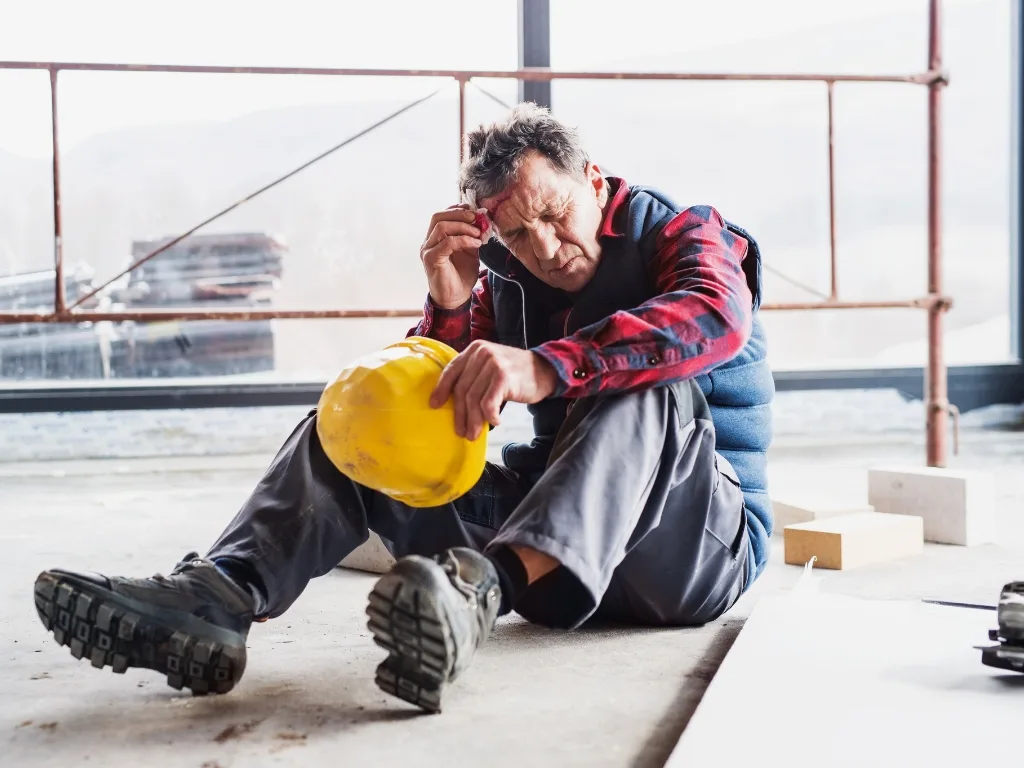
Construction sites move fast, and the pressure to hit deadlines sometimes means safety shortcuts get taken. When those shortcuts result in a fall, an electrocution, or a crush injury, workers are often told their only option is a workers’ compensation claim, even when a general contractor, subcontractor, or equipment manufacturer bears real responsibility. The Law Office of Sam Salhab represents injured Fresno construction workers who want to know whether more than workers’ comp is available to them.
Construction injury cases frequently involve more than one potentially liable party, and untangling who controlled the safety conditions on site takes real investigative work. Fresno workers dealing with a serious jobsite injury benefit from an attorney who understands both the workers’ compensation system and the separate civil claims that can run alongside it.
How Dangerous Is Construction Work?
National Fatality Data
Construction remains one of the deadliest industries tracked by federal labor statistics. There were 5,070 fatal work injuries recorded in the United States in 2024, and construction and extraction workers experienced 1,032 of those fatalities. Fatal falls, slips, and trips among these workers decreased 7.5 percent to 370 in 2024 from 400 in 2023, but falls remain the single largest cause of death on construction sites nationwide.
The Fatal Four
Federal safety regulators track four hazard categories, known as the Fatal Four, that account for the large majority of construction deaths each year: falls, being struck by an object or vehicle, electrocution, and being caught in or between equipment or collapsing structures. Fresno’s mix of commercial development, agricultural infrastructure, and residential building means all four categories show up regularly in local injury claims, often with more than one hazard contributing to a single incident.
Common Types of Construction Accidents in Fresno
Certain jobsite conditions generate a disproportionate share of serious injury claims, and recognizing the pattern early helps identify who else besides the direct employer may share responsibility.
Falls and Elevated Work
- Falls from scaffolding, roofs, or ladders
- Falls through unguarded floor or roof openings
- Falls from aerial lifts or unsecured platforms
- Falls caused by missing or improperly anchored fall arrest systems
Equipment, Electrical, and Trench Hazards
- Being struck by falling tools, materials, or vehicles
- Electrocution from contact with power lines or faulty wiring
- Trench and excavation collapses
- Being caught in or crushed by heavy machinery
California’s Fall Protection Rules and Why They Matter
California’s construction safety standards under Title 8 of the California Code of Regulations set specific trigger heights requiring fall protection, and these thresholds are often stricter than federal defaults. Title 8 requires guardrails along unprotected edges at elevations of 7.5 feet or more, with additional fall protection requirements under Article 24 triggered at 7.5 or 15 feet depending on the work being performed. A missing guardrail or absent personal fall arrest system at these heights is a Cal/OSHA violation that can support a negligence claim against whichever party controlled that portion of the site.
Violations of Cal/OSHA standards don’t automatically prove liability on their own, but they serve as strong evidence that a responsible party fell short of the required safety standard. Identifying which entity, the general contractor, a subcontractor, or a property owner, had control over the hazardous condition at the time of the injury is often the central question in a construction injury case.
Who Can I Sue After a Construction Accident?
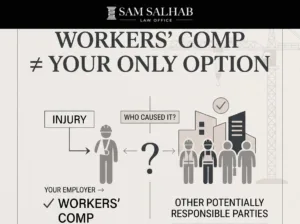
A construction injury does not necessarily end with a workers’ compensation claim, but identifying a third-party defendant requires more than determining who was present at the jobsite. California’s workers’ compensation system generally provides the exclusive remedy against an injured worker’s own employer, subject to statutory exceptions under Labor Code Section 3602. Other parties present different possibilities, and another subcontractor could face a negligence claim if its own conduct caused the injury.
A general contractor or property owner, however, is not automatically liable simply because it controlled or hired work on the site. Under California’s Privette doctrine, an independent contractor’s employee generally cannot hold the hirer vicariously responsible for the contractor’s negligence, though exceptions can apply when the hirer independently contributed to the injury, as clarified in Hooker v. Department of Transportation.
Property Owners, Equipment Makers, and Other Third Parties
A property owner may still face liability for a concealed, pre-existing hazardous condition it knew or reasonably should have known about and failed to disclose, a principle addressed in Kinsman v. Unocal Corp.. If defective machinery, scaffolding, or safety equipment contributed to the accident, the manufacturer or supplier may present a separate product-liability avenue, and an unrelated driver or company involved in a vehicle collision on site may be a distinct defendant as well.
The key question is not simply who employed the injured worker, but who created, controlled, or independently contributed to the condition that caused the injury. That distinction often determines whether a civil claim exists alongside workers’ compensation benefits.
Workers’ Compensation Versus a Third-Party Claim
Most workplace injuries in California are handled exclusively through the workers’ compensation system, which does not require proving fault but limits the types of compensation available. California’s exclusive remedy rule, set out in Labor Code Section 3600, generally bars an injured employee from suing their own employer directly once workers’ comp coverage applies. That rule, however, does not protect the other parties discussed above.
A general contractor, a different subcontractor, a property owner, or an equipment manufacturer who isn’t the injured worker’s direct employer can still be sued in civil court for the full range of damages, including pain and suffering, which workers’ comp doesn’t cover. Many serious construction injuries in Fresno involve exactly this layered structure, since large jobsites routinely mix employees from several different companies working side by side.
What a Fresno Construction Injury Claim Can Recover
Civil claims against a third party can recover far more than workers’ compensation benefits alone, particularly for injuries causing permanent disability. The ranges below reflect general California settlement outcomes and are not a prediction for any specific case.
| Injury Severity | Typical Settlement Range |
| Minor (short recovery, no lasting impairment) | $10,000 – $50,000 |
| Moderate (extended recovery, some lasting effects) | $50,000 – $200,000 |
| Severe (permanent impairment, major economic loss) | $200,000 – $1,000,000+ |
| Catastrophic or wrongful death | $1,000,000 – multiple millions |
Cases involving willful Cal/OSHA violations or particularly reckless conduct by a third party tend to settle at the higher end of these ranges, especially when multiple defendants each carry separate insurance coverage.
Why Fresno Workers Choose the Law Office of Sam Salhab
Sam Salhab’s practice treats injured workers as people rebuilding their lives, not claim numbers moving through a system, a philosophy reflected across the firm’s broader work. That approach shapes how the firm evaluates construction cases from the first consultation, looking beyond the workers’ comp claim to identify every party who may share civil liability.
The firm coordinates with safety experts and investigators to document Cal/OSHA violations, equipment defects, and site conditions before evidence disappears or gets altered during ongoing construction work. Flexible payment arrangements and a contingency structure mean injured workers aren’t asked to pay upfront while they’re already managing lost income and medical bills.
Getting Started After a Jobsite Injury
Construction sites change fast, and the exact conditions present at the time of an injury, from scaffolding setup to missing guardrails, can be gone within days. Photographing the scene, saving any incident reports, and identifying coworkers who witnessed the accident all strengthen a case before memories fade or equipment gets moved. It’s worth requesting your own copy of any Cal/OSHA citation or investigation report tied to the incident, since these documents carry significant weight in a third-party claim.
Fresno-area workers can request a free consultation to determine whether a civil claim exists alongside their workers’ compensation case. There is no fee unless the case results in a recovery, keeping the financial risk off the worker during an already difficult stretch.
FAQs
Can I file a lawsuit if I’m already receiving workers’ compensation?
Yes, workers’ compensation only bars a direct lawsuit against your own employer in most cases, not against other parties on the jobsite. If a general contractor, subcontractor, property owner, or equipment manufacturer contributed to the accident, a separate civil claim may be available in addition to your workers’ comp benefits.
Can I sue the general contractor if I worked for a subcontractor?
Not automatically. Under the Privette doctrine, a general contractor typically isn’t liable for a subcontractor’s own negligence toward that subcontractor’s employees, though exceptions apply when the general contractor independently contributed to the hazard or retained control over the specific work that caused the injury.
What is the Fatal Four and why does it matter for my case?
The Fatal Four refers to falls, struck-by incidents, electrocution, and caught-in or caught-between hazards, which together cause the majority of construction worker deaths nationwide. Identifying which of these hazards caused your injury helps determine which safety regulations applied and whether they were violated.
How does a Cal/OSHA violation affect my claim?
A documented Cal/OSHA violation doesn’t automatically prove liability, but it serves as strong evidence that a responsible party failed to meet the required safety standard. This evidence is often central to establishing negligence in a third-party civil claim.
How long do I have to file a claim after a construction accident?
Workers’ compensation claims generally must be reported and filed within strict short deadlines after the injury, while a separate civil claim against a third party generally follows California’s two-year personal injury statute of limitations. Because these timelines differ and can overlap, early legal review helps ensure neither deadline is missed.
What if I was partly responsible for the accident?
California’s comparative fault system allows an injured worker to recover damages in a third-party civil claim even if they share some responsibility for the accident. Any recovery would be reduced by the percentage of fault attributed to the worker rather than barred outright.
How much does it cost to hire a construction accident attorney?
Consultations are free, and the firm works on a contingency basis, meaning there is no attorney fee unless the case results in a settlement or verdict. This structure lets injured workers pursue full compensation without upfront legal costs while they’re already dealing with lost wages and medical expenses.
If a jobsite injury has disrupted your ability to work, reaching out to discuss your options costs nothing and helps identify every avenue of compensation available to you.