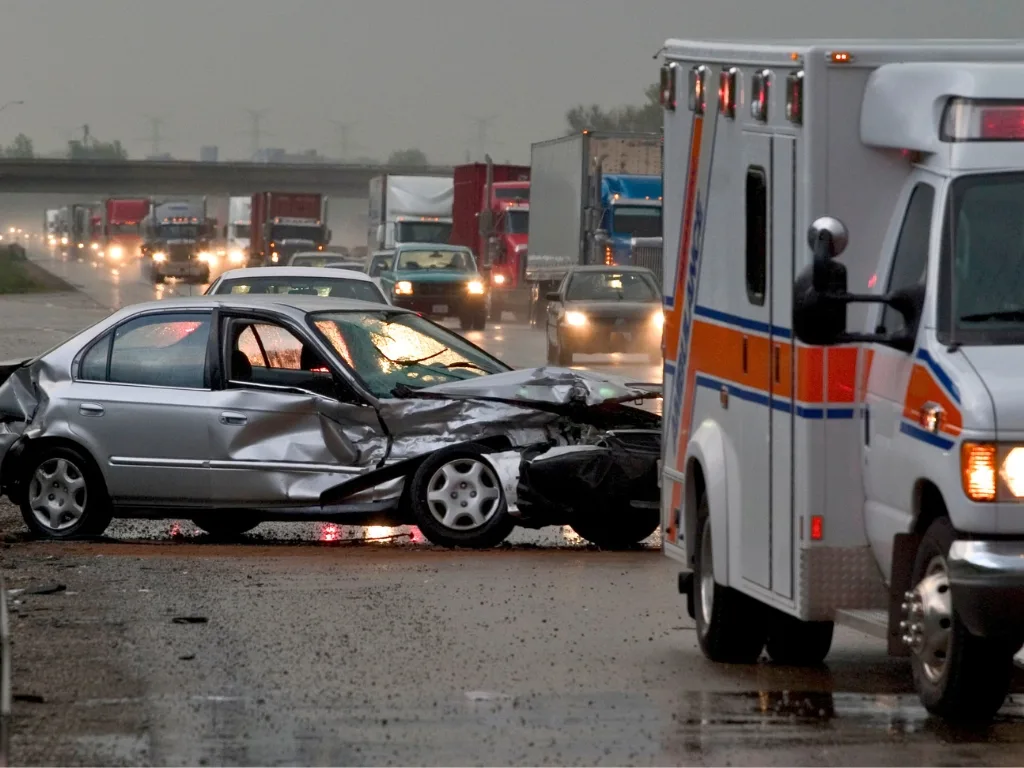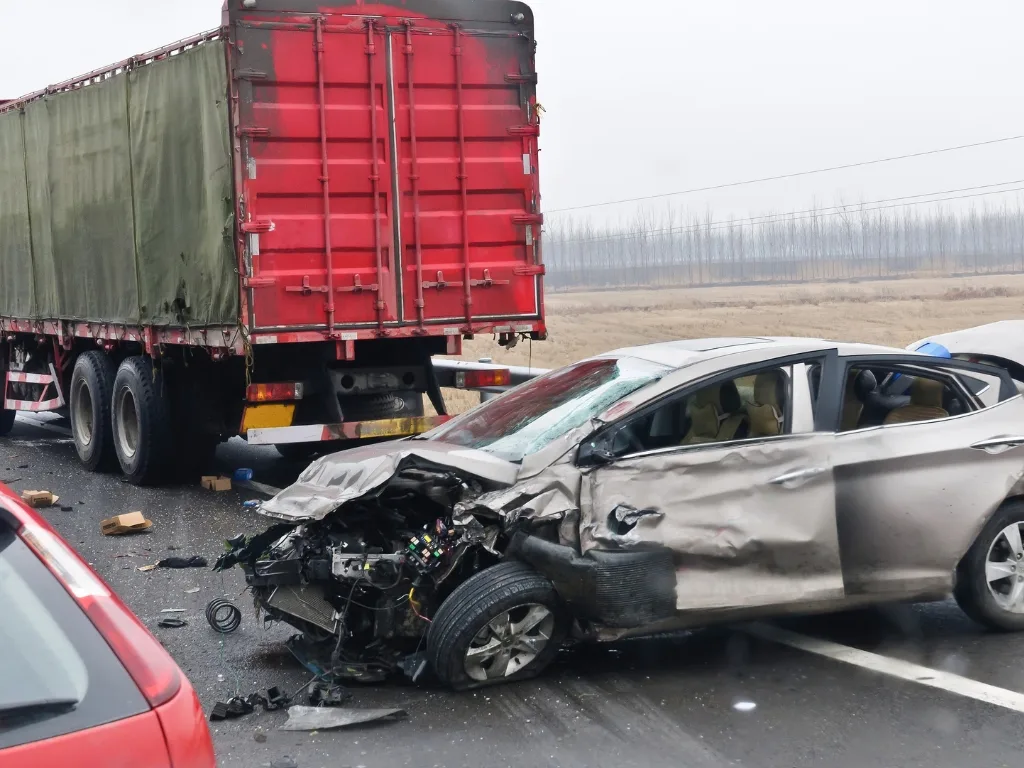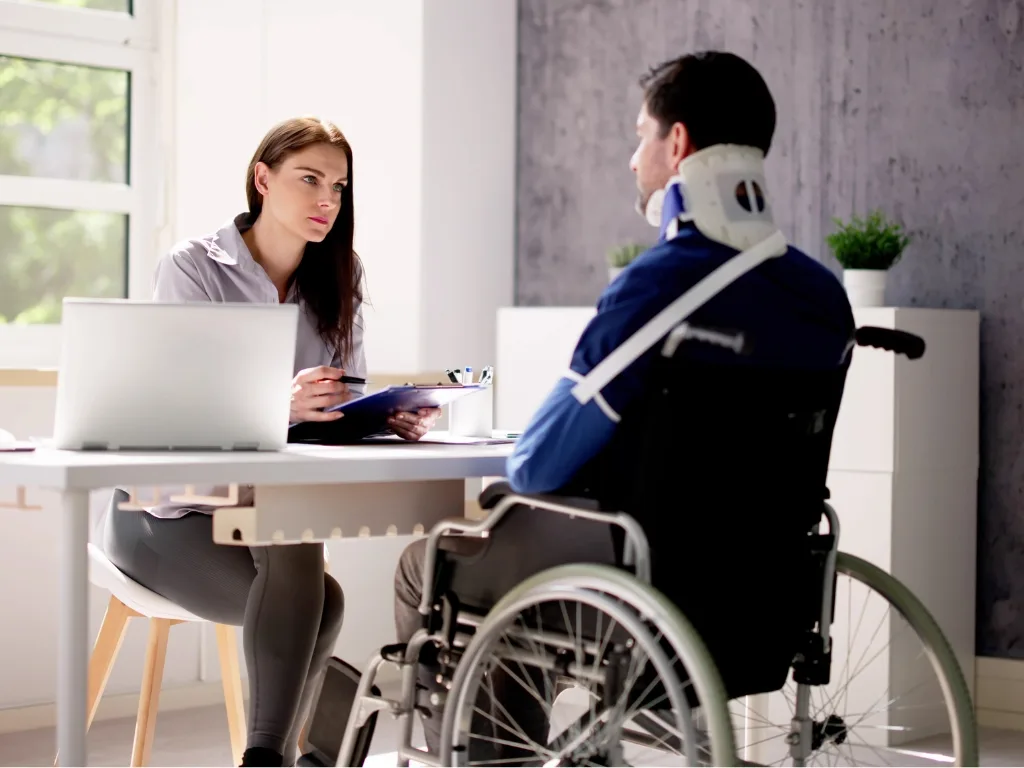
An injury caused by someone else’s negligence can disrupt every part of your life at once: your health, your income, your ability to care for your family. California law provides a path toward accountability and compensation for people in exactly this situation, and understanding how that path works is often the first step toward feeling that the situation is manageable. You do not need to have all the answers before reaching out for guidance.
The Law Office of Sam Salhab has represented personal injury clients in Fresno for over fifteen years. A free, confidential consultation is available whenever you are ready.
What Qualifies as a Personal Injury Claim
A personal injury claim arises when someone’s negligence, recklessness, or intentional conduct causes harm to another person. According to the CDC, unintentional injury is the third leading cause of death in the United States overall and the leading cause of death for Americans between the ages of 1 and 44, accounting for 222,518 deaths in 2023 alone. Most of these involve events that were preventable.
Common claim types handled by Fresno personal injury attorneys include:
- Car, truck, and motorcycle accidents
- Pedestrian and bicycle accidents
- Slip and fall and other premises liability incidents
- Dog bites and animal attacks
- Product liability and defective equipment
- Workplace injuries involving third-party negligence
- Wrongful death claims
The Four Elements of Negligence
California’s personal injury law is built on the concept of negligence. To establish that another party is legally responsible for your injuries, four elements must be proven. The California Civil Jury Instructions (CACI) define them as follows.
Duty of Care
Every person has a legal obligation to act with reasonable care toward others in situations where harm is foreseeable. Drivers owe a duty of care to other road users. Property owners owe a duty to maintain safe conditions. Dog owners owe a duty to prevent foreseeable attacks.
Breach of Duty
A breach occurs when a person fails to meet the standard of reasonable care. A driver who runs a red light, a property owner who ignores a known hazard, or a truck driver who violates federal hours-of-service rules has each breached their duty.
Causation
The breach must be the cause of the harm. California law requires showing both that the breach directly caused the injury (actual causation) and that the injury was a foreseeable result of the breach (proximate causation).
Damages
There must be actual harm. An injury that caused no measurable physical, emotional, or financial loss does not produce a viable personal injury claim, regardless of how clearly the defendant was at fault.
California’s Comparative Fault Rule
Many injured people assume that any fault on their part means they cannot recover. That is not how California law works.
California applies pure comparative negligence, meaning an injured person can recover damages even if they were partially responsible for what happened. The total compensation is reduced by the plaintiff’s percentage of fault, not eliminated. A victim who is found 30% responsible for an accident with $100,000 in damages recovers $70,000. Insurance companies routinely argue for inflated fault percentages against claimants specifically to reduce payouts, making independent evidence documentation valuable from the start.
Types of Compensation Available
California personal injury law recognizes two broad categories of damages, both of which are described in the CACI damages instructions.
Economic Damages
Economic damages compensate for quantifiable financial losses:
- Past and future medical expenses
- Surgery, hospitalization, and rehabilitation
- Lost wages during recovery
- Reduced future earning capacity for permanent injuries
- Property damage and replacement costs
- Out-of-pocket expenses directly tied to the injury
Non-Economic Damages
Non-economic damages compensate for harm that cannot be measured in bills or receipts:
- Physical pain and suffering
- Emotional distress
- Loss of enjoyment of life
- Permanent disfigurement or disability
- Loss of consortium for a surviving spouse
California does not impose a cap on non-economic damages in most personal injury cases, and these damages often represent the largest portion of a serious injury settlement or verdict.
Why Medical Documentation Is So Important
The strength of a personal injury claim is directly tied to the quality of its medical documentation. Prompt and consistent treatment creates the evidentiary foundation that connects the incident to the injury and the injury to its long-term effects.
Records That Matter Most
- Emergency room records and initial imaging (X-rays, CT scans, MRIs)
- Surgical reports and specialist evaluations
- Physical and occupational therapy notes
- Prescription records
- Psychological treatment records where trauma or PTSD is present
- Future care recommendations from treating physicians
Gaps in treatment are one of the primary tools insurers use to minimize a claim. An interruption in care, even one caused by practical or financial barriers, can be framed as evidence that the injury was not as serious as claimed.
How Insurance Claims Work After an Injury
Most personal injury claims are resolved through the insurance process rather than through court. Understanding how that process works can make it far less stressful.
The at-fault party’s liability insurer will assign an adjuster to investigate the claim. According to the California Department of Insurance, insurers are required to acknowledge claims promptly, investigate in good faith, and make fair settlement offers based on documented damages. In practice, initial offers frequently undervalue claims, particularly for ongoing or future medical needs.
When the at-fault party has no insurance or insufficient coverage, your own uninsured motorist (UM) or underinsured motorist (UIM) coverage becomes the primary recovery tool. Medical payments coverage, where available, can help with immediate expenses regardless of fault while the liability claim is being resolved.
The Personal Injury Timeline
Understanding the general sequence of a claim is one of the things that brings the most peace of mind to people in this situation. Nothing about the process is instant, but each stage is manageable and has a clear purpose.
| Stage | What Happens |
| Incident occurs | Evidence preservation window opens immediately |
| Emergency treatment | Establishes the baseline injury record |
| Evidence collection | Police reports, witness statements, footage |
| Insurance notification | Claim opened; adjuster assigned |
| Medical treatment | Ongoing through recovery or maximum improvement |
| Investigation | Liability analysis, expert review |
| Demand package | Compiled when medical picture is clear |
| Negotiation | Settlement discussions with insurer |
| Lawsuit if necessary | Filed before statute of limitations runs |
| Resolution | Settlement, trial verdict, or judgment |
Filing Deadlines: Do Not Wait Too Long
California’s standard personal injury statute of limitations is two years from the date of the injury under Code of Civil Procedure § 335.1. If a government entity is involved, a Government Claims Act notice must be filed within six months of the incident before any lawsuit can proceed. Missing either deadline generally forecloses the claim entirely.
Insurance negotiations do not pause the statute of limitations. An insurer that keeps talking while the deadline approaches is not doing you a favor. Early legal consultation is the most reliable way to ensure no deadline is missed.
When Clarity Matters Most
The days and weeks after a serious injury are often the most disorienting part of the entire experience. Medical appointments, insurance calls, missed work, and physical pain can all compete for your attention at once. Having legal counsel engaged early does not add to that weight. It takes a significant portion of it away.
The Law Office of Sam Salhab handles the insurance communications, evidence preservation, and procedural deadlines so clients can focus on recovery. There is no fee unless you recover, and consultations are free and available 24/7. Bring whatever documentation you have. The work of building the rest of the case is what the firm is there for.
Frequently Asked Questions
How do I know if I have a personal injury case?
If someone else’s negligence caused your injury and you suffered measurable harm, the basic elements of a claim exist. The strength of that claim depends on the quality of available evidence, the clarity of the liability picture, and the extent of your documented damages. A free consultation with a personal injury attorney can assess your specific situation without any obligation to proceed.
What if I was partly responsible for the accident?
You can still recover under California’s pure comparative negligence rule. Your damages are reduced by your assigned fault percentage rather than eliminated. The key is having independent evidence that accurately establishes what happened, since insurance companies typically argue for the highest fault percentage that benefits them.
Should I talk to the insurance adjuster?
Not before consulting an attorney, if your injuries are significant. Adjusters are trained to gather statements that minimize their company’s liability. A recorded statement made before you understand the full extent of your injuries can be used to limit your recovery later. You are not required to give a recorded statement to the other party’s insurer.
How long do I have to file a lawsuit in California?
The standard deadline is two years from the date of injury under Code of Civil Procedure § 335.1. If a government entity is involved, a Government Claims Act notice must be filed within six months. Injuries with delayed onset or discovery may have different timelines. Consulting an attorney promptly is the only reliable way to confirm which deadline applies to your situation.
What if the at-fault driver has no insurance?
Your own uninsured motorist coverage applies when the at-fault party has no insurance. Underinsured motorist coverage applies when they have coverage but not enough to compensate your losses fully. These claims are filed against your own insurer, which creates a different dynamic than a standard third-party claim and often benefits from legal representation.
Can I recover future medical expenses?
Yes. Future medical treatment that is reasonably certain to be necessary is a recoverable economic damage in California personal injury cases. Establishing future care needs typically requires treating physician testimony or an expert life care planner who projects the cost and duration of anticipated treatment.
What if my injuries did not appear immediately?
Delayed-onset injuries are common after motor vehicle accidents, falls, and other trauma. Soft tissue injuries, concussions, herniated discs, and internal injuries often present full symptoms days or weeks after the incident. Seeking medical evaluation as soon as symptoms appear and documenting when they began is important for connecting the injury to the original incident.