
Immigration Consequences
of Criminal Charges
A Criminal Plea Can End Your Right to Stay in This Country.

Nearly two decades of criminal defense experience · Penal Code 1473.7 Attorney
Home | Immigration Consequences of Criminal Charges
Introduction
For non-citizens, a guilty plea is never just a criminal matter. Under federal immigration law, a single conviction — even a misdemeanor — can trigger deportation, bar re-entry, and permanently separate you from your family. Most criminal defense attorneys negotiate pleas without evaluating those consequences. We don't.
The Law Office of Sam Salhab structures criminal defense strategy with immigration consequences in mind from the first conversation, before any plea is discussed and before any damage is done. In cases where criminal charges carry serious immigration risks, working with a California criminal defense attorney ensures your legal strategy accounts for both criminal and immigration consequences from the start.
Immigration Consequence Relief
Immigration consequences begin the moment a plea is entered. Not after sentencing, not after appeal. Under the Immigration and Nationality Act (INA), certain convictions including drug offenses, crimes of moral turpitude, domestic violence, and aggravated felonies, are designated grounds for removal from the United States.
California Penal Code § 1473.7 provides two independent grounds for relief.
The first, and most commonly used, is found in § 1473.7(a)(1): a conviction is legally invalid where there was a "prejudicial error damaging the moving party's ability to meaningfully understand, defend against, or knowingly accept the actual or potential adverse immigration consequences of a plea of guilty or nolo contendere."
The person filing the motion does not need to prove their attorney committed malpractice. They need to show that the immigration consequences were not meaningfully understood at the time the plea was entered, and that this gap was prejudicial, meaning they would have made a different decision had they known.
The second ground, under § 1473.7(a)(2), applies to newly discovered evidence of actual innocence. This is a separate and distinct basis for relief not tied to immigration at all.


Who This Statute Was Built For
Pleas Entered in the 1980s and 1990s
Before the U.S. Supreme Court decided Padilla v. Kentucky, 559 U.S. 356 (2010), defense attorneys faced no constitutional obligation to advise clients about deportation consequences. Many did not. A non-citizen who pled guilty to a drug offense in 1987, a theft charge in 1993, or a domestic battery in 2001 may have received no warning whatsoever that their plea could one day result in removal. Decades later, that same plea is now being used as grounds to deport someone who has lived lawfully in the United States for thirty or forty years.
Pleas Entered Without an Immigration Analysis
Even in more recent cases, many criminal defense attorneys negotiate pleas without consulting immigration law or flagging which charge dispositions carry removal triggers. A client who was told only that they were "taking a misdemeanor" and would "avoid jail time" was not meaningfully advised of immigration consequences. That is true regardless of whether the attorney was otherwise competent. Under § 1473.7(a)(1), the deficiency in advisal is the basis for relief, not the attorney's general performance.
Pleas Entered Based on Incorrect Advice
If an attorney affirmatively told a non-citizen client that a plea would not affect their immigration status, and that advice was wrong, the grounds for relief are at least as strong as in cases where no advice was given at all. Courts have consistently held that affirmatively incorrect counsel on immigration consequences satisfies the prejudicial error standard under the statute.
Long-Term Residents Facing Removal on Old Convictions
Immigration enforcement priorities shift over time. A conviction that went unnoticed for twenty years may now be the basis for an active removal proceeding. If that conviction resulted from a plea entered without a meaningful understanding of its immigration consequences, § 1473.7 relief may be available even while removal proceedings are pending. These cases are time-critical, and early legal intervention is essential.
DACA Recipients
For DACA recipients, a criminal conviction, including older ones, can terminate protected status and trigger removal. Where the underlying plea was entered without proper advisal of immigration consequences, a motion to vacate under § 1473.7 can be a critical tool for preserving status.
The Attorney Behind Your Case
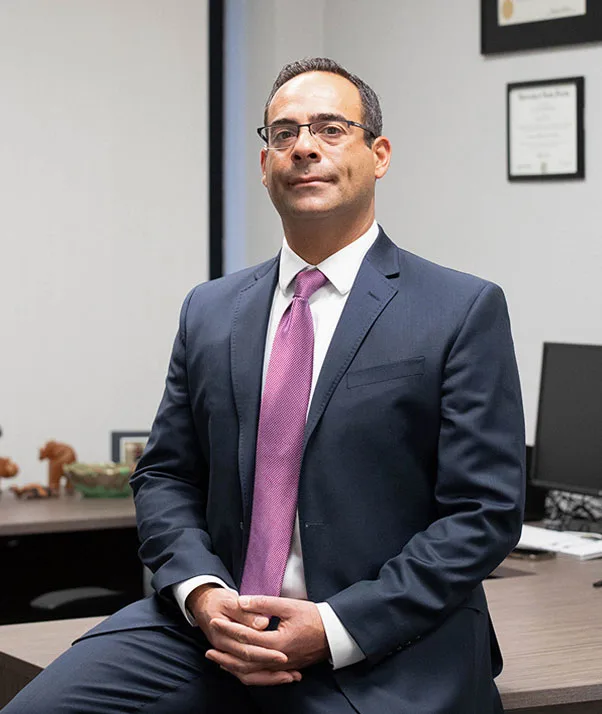
Sam Salhab, Esq. began his career at the Fresno County Public Defender's Office, managing serious felonies and strike offenses for clients whose cases had consequences extending far beyond the criminal docket. That environment is where he developed the habit of analyzing every case for what isn't immediately obvious, including the collateral consequences that most attorneys miss.
He holds a J.D. from Thomas Jefferson School of Law and a B.A. in Management Information Systems from the University of South Florida. The latter is particularly relevant in PC § 1473.7 matters, where the evidentiary analysis of a prior case, including electronic records and court documentation — can determine whether a motion to vacate succeeds or fails.
Salhab is a member of the California Attorneys for Criminal Justice, licensed in both the State Bar of California and the Eastern District of California Federal Court, and has conducted dozens of jury trials across California. He has been recognized by Super Lawyers (Rising Star, 2014–2018), Newsweek Legal Superstar (2015), and The National Trial Lawyers Top 40 Under 40.
Take Action Before Your Options Disappear
Once a conviction is on record, reversing its immigration consequences becomes exponentially harder. The sooner you have qualified legal counsel, the more we can do to protect your status, your family, and your future.
What We Do — and What We Don't
We are criminal defense attorneys, not immigration attorneys. That distinction matters.
Our role is to handle the criminal side of your case with a thorough understanding of how criminal dispositions interact with federal immigration law. We identify charges and pleas that carry immigration triggers under the Immigration and Nationality Act (INA), pursue alternative dispositions and diversion programs that avoid those triggers, and where a prior plea was entered without adequate advisal, file motions to vacate under PC § 1473.7.
For the immigration court side of removal proceedings, visa petitions, or adjustment of status matters, you will need a qualified immigration attorney. We can work alongside immigration counsel when appropriate. What we provide is the criminal defense strategy that gives that parallel representation the best possible foundation to work from.
Our Approach
The moment we take a case involving a non-citizen client, we run a parallel analysis: what does the criminal record look like, and what does it mean for immigration status. Those two questions are answered together, not sequentially.
We identify immigration triggers in every charge, evaluate alternative dispositions before any plea is discussed, and, where prior counsel failed to provide adequate advice and assess whether PC § 1473.7 relief is available. Discovery is demanded early. Plea offers are analyzed for immigration impact before any response is given. And every client receives direct access to Attorney Salhab throughout the process — not a paralegal, not a case management update.

frequently Asked Questions
1. Q: Can a criminal conviction get me deported?
Yes. Under federal immigration law, convictions for drug offenses, crimes of moral turpitude, domestic violence, and aggravated felonies can trigger deportation proceedings — regardless of how long you've lived in the U.S. or the length of your sentence.
2. Q: Can charges be negotiated to protect my immigration status?
In many cases, yes. We analyze your charge and identify dispositions — alternative pleas, diversion programs, or reduced charges — that avoid immigration-triggering convictions. This analysis must happen before any plea is entered.
3. Q: Does an arrest without conviction affect my immigration case?
It shouldn't affect deportability directly, but it can raise issues during visa applications and green card interviews. How it is disclosed and framed matters significantly — which is why having legal counsel before any interview is advisable.
4. Q: What happens if I'm placed in removal proceedings?
You will appear before an immigration judge. You have the right to an attorney, and representation dramatically improves your outcome. Do not attend an immigration hearing without counsel.
5. Q: How quickly should I contact an attorney after a criminal charge?
Immediately. Decisions made at the earliest stages — arraignment, bail, initial hearings — can carry permanent immigration consequences. Time is your most limited resource.
6. Q: I was told my charge was minor. Should I still be concerned?
Yes. "Minor" charges frequently carry major immigration consequences. Misdemeanor convictions for drug possession, theft, and domestic battery have all triggered deportation proceedings. Never accept a plea without understanding its full immigration impact.
7. Q: Do you offer free consultations?
Yes — free, confidential, and available 24/7. Call our Fresno office at any time, or submit your information online and we will respond promptly.
Legal Disclaimer
This article is for general informational purposes only and does not constitute legal advice. Reading this article does not create an attorney-client relationship. Every case is different and outcomes depend on specific facts, procedural posture, and applicable law. For advice about your situation, consult a qualified attorney. We can review your situation and explain your options under California law.
Related Readings
Free Case Evaluation
At The Law Office of Sam Salhab, our criminal defense attorneys represent criminal and DUI clients throughout the state of California. Our offices were originally founded in 2010, and Sam Salhab has successfully represented thousands of individuals since then. Contact us today if you or your loved one is in need of experienced criminal defense representation.
OUR LOCATIONS
FRESNO PERSONAL INJURY
2445 Capitol St Ste 140, Fresno, CA 93721
Email: info@salhablaw.com
Tel: (559) 412-9888