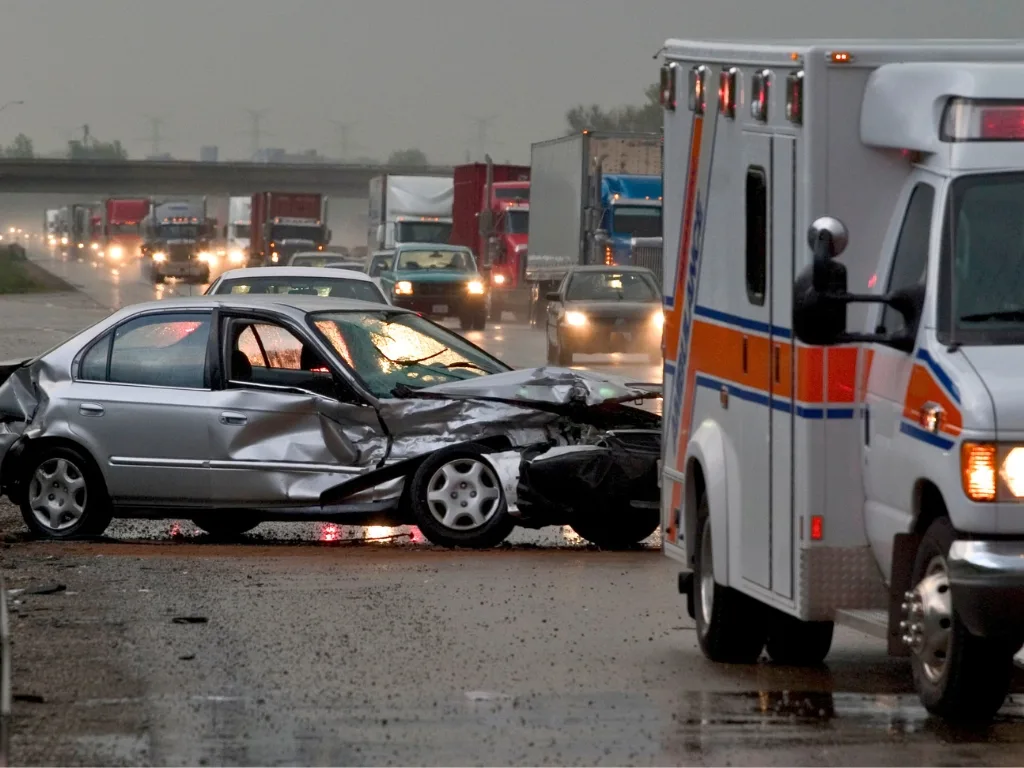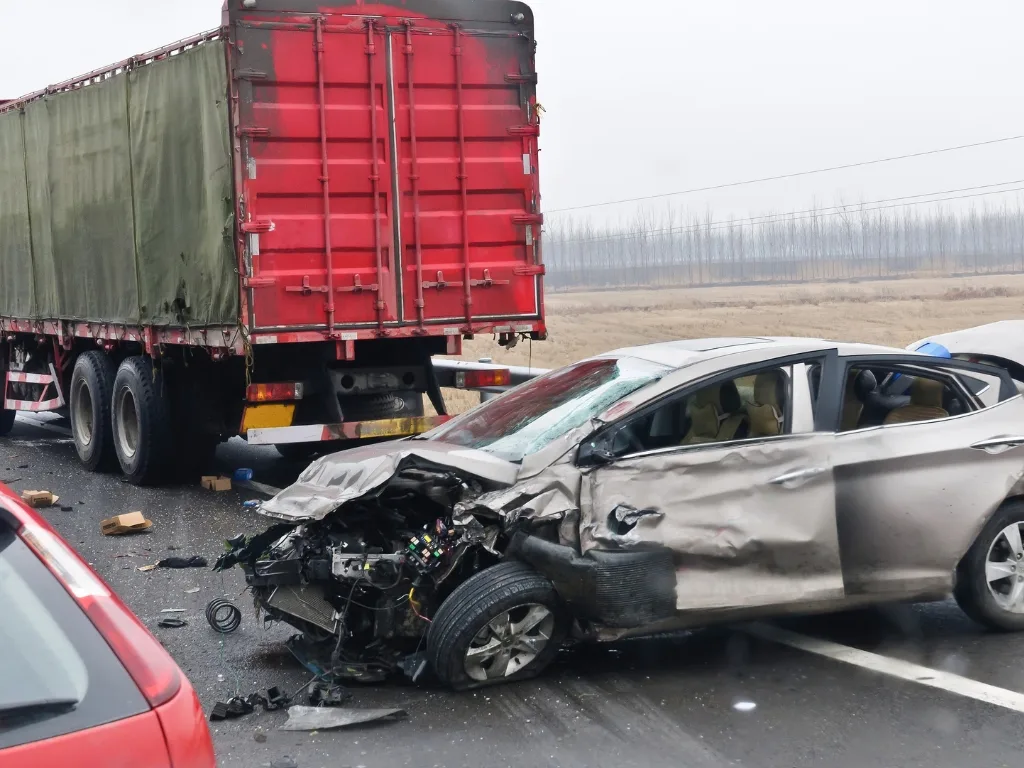
A DUI arrest in Tustin can affect far more than your driver’s license. It can jeopardize your career, professional credentials, housing options, immigration status, and long-term reputation. In Orange County, where background checks and licensing oversight are common, the consequences of a DUI conviction often extend well beyond the courtroom.
The Law Office of Sam Salhab approaches DUI defense with a broader view. Effective representation requires more than challenging test results—it demands a strategy that protects your license, livelihood, and future opportunities while aggressively confronting the prosecution’s evidence.
How DUI Cases Progress in Tustin
Understanding how a DUI case moves through the local system allows your defense to intervene at critical stages—before weak evidence hardens into assumed guilt.
Arrest and Chemical Testing
A DUI case begins with a traffic stop followed by field sobriety testing and arrest. You are transported to a police station or facility for chemical testing, either breath or blood. These tests often occur hours after driving and form the foundation of the prosecution’s case.
Initial Appearance and Bail
Within 72 hours of arrest, you must appear before a judge. Bail conditions are set and charges are advised. Overly restrictive bail terms can disrupt employment, restrict movement, and impair early defense investigation if not challenged immediately.
Arraignment and Early Motions
Arraignment typically occurs within 10 days. This is where your attorney begins filing motions challenging the legality of the stop, test admissibility, and procedural compliance. Early motion practice often determines whether a case weakens or advances.
DMV Administrative Proceedings (Separate but Parallel)
The DMV conducts an independent administrative hearing that determines license suspension. This civil process uses a lower burden of proof than criminal court but has immediate consequences for your ability to drive. Your defense must address both proceedings simultaneously.
Preliminary Hearing, Trial, or Resolution
At the preliminary hearing, prosecutors must show probable cause. Weak cases may be dismissed here. Other cases resolve through negotiated reduction or proceed to jury trial, where the state must prove impairment beyond reasonable doubt.
The Technical Science of DUI Testing: Where Cases Often Fail
Most DUI prosecutions rely almost entirely on chemical testing. These tests are not infallible.
Breath Testing Vulnerabilities
Breath tests estimate blood alcohol content using a standardized 2100:1 breath-to-blood ratio. This assumption does not account for individual physiological differences. Breathing patterns, body temperature, medical conditions, and metabolism can skew results—sometimes by margins large enough to mean the difference between conviction and acquittal.
Breath devices must also be:
- Properly calibrated
- Maintained on schedule
- Operated by certified personnel
- Administered using precise procedures
Calibration failures, expired certifications, improper observation periods, and operator error frequently render results unreliable.
Blood Testing Weaknesses
Blood testing presents its own set of reliability concerns. Samples must be collected with proper preservatives, stored at regulated temperatures, and maintained through an unbroken chain of custody. Errors in collection, storage, or handling can lead to contamination, fermentation, or degradation that artificially inflate blood alcohol results. Delays between collection and analysis further increase the risk of inaccurate readings.
Independent retesting frequently exposes inconsistencies in the prosecution’s results, particularly when samples were improperly stored or handled. Documentation gaps in chain-of-custody records can also undermine reliability.
Why this matters:
If chemical testing is excluded or undermined, the prosecution often has no remaining evidence capable of meeting its burden.
Challenging the Traffic Stop and Police Procedures
Legality of the Stop
Every DUI case begins with a traffic stop. Officers must have reasonable suspicion that a traffic violation occurred. Vague claims such as “weaving” or “erratic driving” often do not meet legal standards.
Dashcam and body-worn camera footage frequently contradict officer reports. If the stop is unlawful, all evidence obtained afterward may be suppressed—often resulting in dismissal.
Field Sobriety Test Errors
Standardized field sobriety tests include:
- Horizontal Gaze Nystagmus (HGN)
- Walk-and-Turn
- One-Leg Stand
These tests must be administered under specific conditions. Common violations include:
- Improper instructions or demonstrations
- Incorrect scoring
- Uneven surfaces or poor lighting
- Traffic distractions
- Physical or medical limitations unrelated to alcohol
Improper administration undermines reliability and admissibility.
Refusal Strategy and Administrative Consequences
Refusing chemical testing carries serious penalties, including automatic license suspension and enhanced criminal consequences. However, refusal also eliminates chemical evidence, which often forms the core of the prosecution’s case.
Officers must provide proper advisements before requesting testing. Failure to do so can invalidate refusal penalties.
Refusal decisions require careful, case-specific analysis. In some situations, refusal creates leverage. In others, cooperation preserves defenses. There is no universal answer—strategy depends on available evidence and exposure.
Collateral Consequences Beyond the Courtroom
Employment and Professional Licenses
DUI convictions trigger disciplinary review for licensed professionals, including:
- Attorneys
- Physicians and nurses
- Teachers
- Psychologists
- Commercial drivers
Some employers act on arrest alone. Others terminate upon conviction. Licensing boards may impose suspension, probation, or revocation.
Housing and Financial Impact
Landlords increasingly use background checks, and a DUI conviction can limit housing options, especially in competitive markets. Insurance premiums often rise sharply, and some coverage may become unavailable. Lenders may also view DUI convictions as risk indicators, affecting loan approvals or interest rates.
Immigration Consequences
For non-citizens, a DUI conviction can create serious immigration issues, including visa revocation or removal proceedings. Even lawful residents may face complications, making early evaluation and coordination with immigration counsel essential.
Expungement and Post-Conviction Relief
After successful probation completion, many DUI convictions qualify for dismissal under Penal Code § 1203.4. Expungement can:
- Improve employment prospects
- Reduce licensing consequences
- Enhance housing eligibility
Strategic negotiation may prioritize resolutions that preserve expungement eligibility rather than pursuing trial at all costs. Long-term impact matters.
Sam Salhab’s Comprehensive DUI Defense Approach
Sam Salhab builds DUI defenses by systematically challenging every component of the prosecution’s case—from the traffic stop to test reliability to collateral consequences.
His experience includes:
- First-time and repeat DUI cases
- High-BAC allegations
- Injury-related DUIs
- Jury trials across Orange County
His work in Fresno County’s DUI Court Pilot Program provided insight into prosecutorial decision-making and procedural weaknesses. With more than 25 jury trials, he understands how jurors evaluate scientific evidence, officer credibility, and reasonable doubt.
Recognition as a Super Lawyers Rising Star reflects consistent success in complex cases requiring technical and strategic defense.
Legal Framework and Resources
Tustin DUI prosecutions proceed under:
- Vehicle Code § 23152(a): driving under the influence
- Vehicle Code § 23152(b): BAC of 0.08% or higher
- Vehicle Code § 23612: refusal consequences
DMV proceedings follow Vehicle Code § 13100 et seq.
Testing standards are informed by guidance from the National Highway Traffic Safety Administration and enforced through prosecutorial practices overseen by the California Department of Justice.
Trial rights and procedures are outlined by the California Courts.
Protecting Your Future Starts Now
DUI cases move quickly. Testing is completed within days. Charging decisions follow within weeks. Evidence degrades, memories fade, and procedural opportunities disappear if the defense does not act immediately.
Early intervention can:
- Suppress unreliable testing
- Preserve driving privileges
- Protect employment and licensing
- Prevent long-term reputational damage
Contact the Law Office of Sam Salhab at (949) 910-3472 or (559) 412-9888, or email Sam@Salhablaw.com, for immediate consultation. We are available 24/7 because DUI charges don’t wait—and neither should your defense.
FAQs
How are breath test results calculated and where do errors occur?
Breath testing uses the 2100:1 breath-to-blood ratio assumption, but individual ratios vary substantially. Equipment calibration failures, operator deficiencies, and procedure violations affect reliability. Your attorney must request calibration records, maintenance logs, and operator certification. NHTSA standardized procedures establish exact requirements prosecution must prove your test met.
What should I do immediately after a Tustin DUI arrest?
Invoke your right to speak with an attorney before answering questions. Do not consent to field sobriety tests—they’re voluntary. You can decline the roadside breath test but not station blood testing. Contact us immediately for emergency representation. Preserve all evidence including communications and witness information.
How does collateral damage differ between conviction and negotiated resolution?
Convictions create permanent employment, housing, professional license, and insurance consequences. Negotiated resolutions (like wet reckless) carry less severe damage. Both may preserve eligibility for Penal Code § 1203.4 expungement after probation. Your attorney must develop strategy protecting your employment and professional standing.
What is the difference between DMV license suspension and criminal penalties?
DMV administrative hearings use preponderance of evidence standard (lower than criminal beyond reasonable doubt) and determine license suspension independently. You can challenge both the DMV hearing and criminal case using similar testing reliability challenges.
Can field sobriety tests be challenged in Tustin?
Yes. NHTSA standardized procedures establish exact requirements. Violations in administration, instruction, or scoring render tests inadmissible. Many cases succeed when tests violate NHTSA protocols, eliminating primary impairment evidence.
Will a DUI conviction affect my professional license?
Yes. Professional licenses in law, medicine, psychology, teaching, nursing, and regulated industries face mandatory disciplinary proceedings upon conviction. Some face revocation; others face suspension. Your attorney should discuss negotiated resolution or expungement eligibility as strategic alternatives.
How can I minimize long-term consequences if conviction becomes likely?
Develop mitigation evidence (employment stability, family support, community ties). Discuss Penal Code § 1203.4 expungement eligibility, which allows conviction dismissal after probation completion, dramatically improving employment and housing prospects.